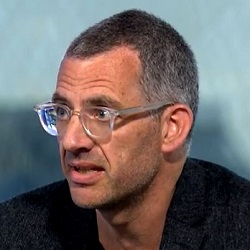
Crosland: Damaged public trust
The barrister found in contempt of court by the Supreme Court after he released its embargoed ruling on the planned third runway for Heathrow airport has now been disbarred.
Tim Crosland is director of Plan B, a charity that supports strategic legal action against climate change, and was not a practising barrister – he claimed last month to have “renounced” his professional status anyway.
Called in 1994, he remains unrepentant about his actions.
In late 2020, he leaked the decision, which opened the way to Heathrow’s third runway, the night before it was handed down in what he described as “an act of civil disobedience”.
He was found in criminal contempt of court following an application made by the Attorney General and fined £5,000.
Last week, a Bar disciplinary tribunal found that Mr Crosland’s action would likely damage public trust and have undermined his integrity.
In deciding to disbar him, the tribunal said his misconduct was aggravated by the fact that he had acted deliberately, knowing he was in contempt, and refused to remedy the matter when requested to do so by the Supreme Court.
The tribunal said he had done “considerable reputational harm” to the profession, even though he believed he had acted with integrity for the greater public good, according to a Plan B statement.
A Bar Standards Board spokesman said: “The tribunal found that Mr Crosland’s actions interfered with the proper administration of justice, thereby diminishing public confidence in Mr Crosland and the profession.
“Disclosing a judgment upon which the Supreme Court has placed an embargo and being found to have committed a criminal contempt of court are serious matters and the tribunal’s decision to disbar Mr Crosland reflects this.”
Mr Crosland last month “formally renounced” his status as a barrister “as an act of protest and conscience”. He said: “A barrister has the professional duty to respect the authority of the courts. But I cannot respect these courts any longer.”
Speaking after being disbarred, he said “preserving the confidentiality of draft judgments is important, but conserving the conditions which make the planet habitable is more important still”.
He continued: “Sadly the British legal system has made a Faustian pact with the carbon economy, and City barristers, with the backing of the courts, make vast profits from supporting fossil fuel transactions, knowing full well they are leading directly to mass loss of life and collapse of the rule of law.
“The same legal system that legitimised the slave trade and the plunder of the Global South now veils the destruction of our own country in a cloak of legality.
“Maybe the Bar Standards Board should be more concerned with the integrity (or otherwise) of people like that.”