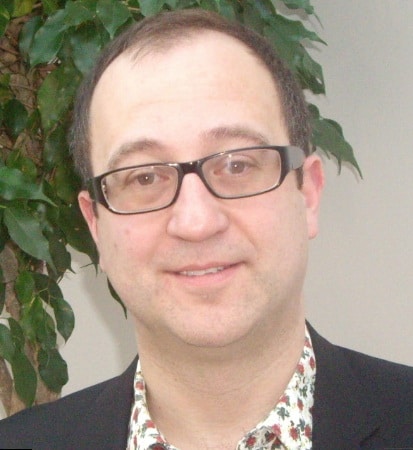
Passmore: Firms could choose cheapest options
Solicitors will be required to make training declarations on their practicing certificates following the phasing out of hours-based continuing professional development (CPD), the Solicitors Regulation Authority (SRA) has decided.
The SRA board yesterday approved plans to abolish the existing, hours-based CPD scheme from 2016, and instead allow firms to decide how best to ensure that their solicitors meet the required standards.
The regulator will cease to accredit courses from November this year and intends to publish a new competence statement and guidance in February 2015.
Crispin Passmore, executive director of policy at the SRA, said lots of firms already took a flexible approach to training, and if they were ready to start under the new system by the time of the competence statement, the regulator “would not get in their way”.
He said that from October 2015, solicitors would be required to affirm on their PC applications that they had done the necessary education and training to remain competent.
“Continuing competence matters a lot more than asking for 16 hours of CPD,” he told Legal Futures. “We want solicitors to warrant that they are competent.”
Mr Passmore said the problem with minimum hours is that it was a “one size fits all” solution, which was quite demanding for some firms, but not at all for others.
He said it was easy to avoid doing proper CPD by putting on a webcast, then going out for lunch or leaving a conference at lunchtime.
“Firms can choose the cheapest options, rather than the most appropriate,” he said. “There are a lot of ways to play the system, though I’m not saying they do.
“Most lawyers take their training very seriously. They don’t need a regulator to tell them. We’re in danger of preaching to the converted and not touching those who need to be tackled.”
Board member Paul Marsh, a former president of the Law Society, told the meeting that there was a risk of some firms dumping the training requirement.
“If we don’t do this properly, we won’t know until too late. I am anxious, but we will see. A huge amount of CPD is delivered by local law societies. We should have a good dialogue with them – they will be concerned by the loss of income.”
Martin Coleman, chair of the SRA’s education and training committee, responded that firms likely to make a false declaration about training were just as likely to false declarations about having completed 16 hours of CPD.
“Why should we impose a disproportionate costs burden on the vast majority of firms because we’re concerned that a small minority might make a false declaration? We can’t regulate on the basis that a minority will not be compliant.”