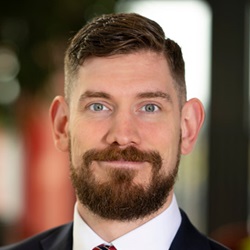
Kurtz: Due diligence needs to be a continuing discipline for funders
One of SSB Law’s litigation funders has launched a £19.5m claim against an after-the-event (ATE) insurer it says did not provide the expected cover for cavity wall insulation claims.
Katch Fund Solutions – which was owed £63m by SSB [1] when the firm went bust – has taken an assignment of the claim against Luxembourg company Stonefort Insurance from SSB’s administrators.
A key element of the SSB scandal was ATE insurers in cavity wall cases repudiating their policies, leading to successful defendants and their insurers seeking to enforce substantial costs awards against clients who had expected to pay nothing under ‘no win, no fee’ agreements.
Last December, in banning two non-solicitor directors of SSB Group from the profession, the Solicitors Regulation Authority noted [2] that some ATE policies it obtained “largely fell short of being effective” by having too low a limit of indemnity, but clients were not told about this or the risk of becoming liable for the defendant’s costs.
SSB also failed to adhere to the terms of some of the ATE policies, meaning the insurers then failed to pay out; in some instances, SSB did not tell clients of adverse costs orders made against them.
Erich Kurtz, a partner in the Cardiff headquarters of Hugh James acting for Katch, said the claim alleged that the ATE cover “did not provide the protection they were intended to deliver”.
He continued: “The litigation raises questions as to the adequacy and effectiveness of the ATE underwriting that underpinned SSB’s funding model, including the scope of cover and whether the insurance arrangements performed as expected.”
The case is at an early stage, with Stonefort yet to file a defence.
Mr Kurtz said the litigation raised issues that funders across the sector had to grapple with, such as due diligence on the quality of the cover.
“An ATE policy alone is not sufficient protection. Underwriting quality, satisfaction of conditions precedent, and the financial standing of the insurer all require independent scrutiny before capital is deployed.”
Independent assessment of a funded caseload, before investment and throughout the funding relationship, has become “increasingly important”, he went on, while funders needed to structure their investments to mitigate their exposure as unsecured creditors when a law firm failed.
The solicitor pointed to the 2024 collapse of Liverpool firm McDermott Smith Law – which entered administration in July 2024 owing £37.5m on the application of Fenchurch Legal, a funder which itself entered administration in April.
This illustrated “how distress in funded firms can cascade directly into the funding ecosystem” and “broader structural vulnerabilities that can arise within high-volume claimant practices more generally”.
Mr Kurtz said: “My view is that the funders who come out of this period strongest will be those who treat due diligence as a continuing discipline rather than a one-off exercise, and who are prepared to pursue robust legal claims where the protections they were sold do not hold up.”