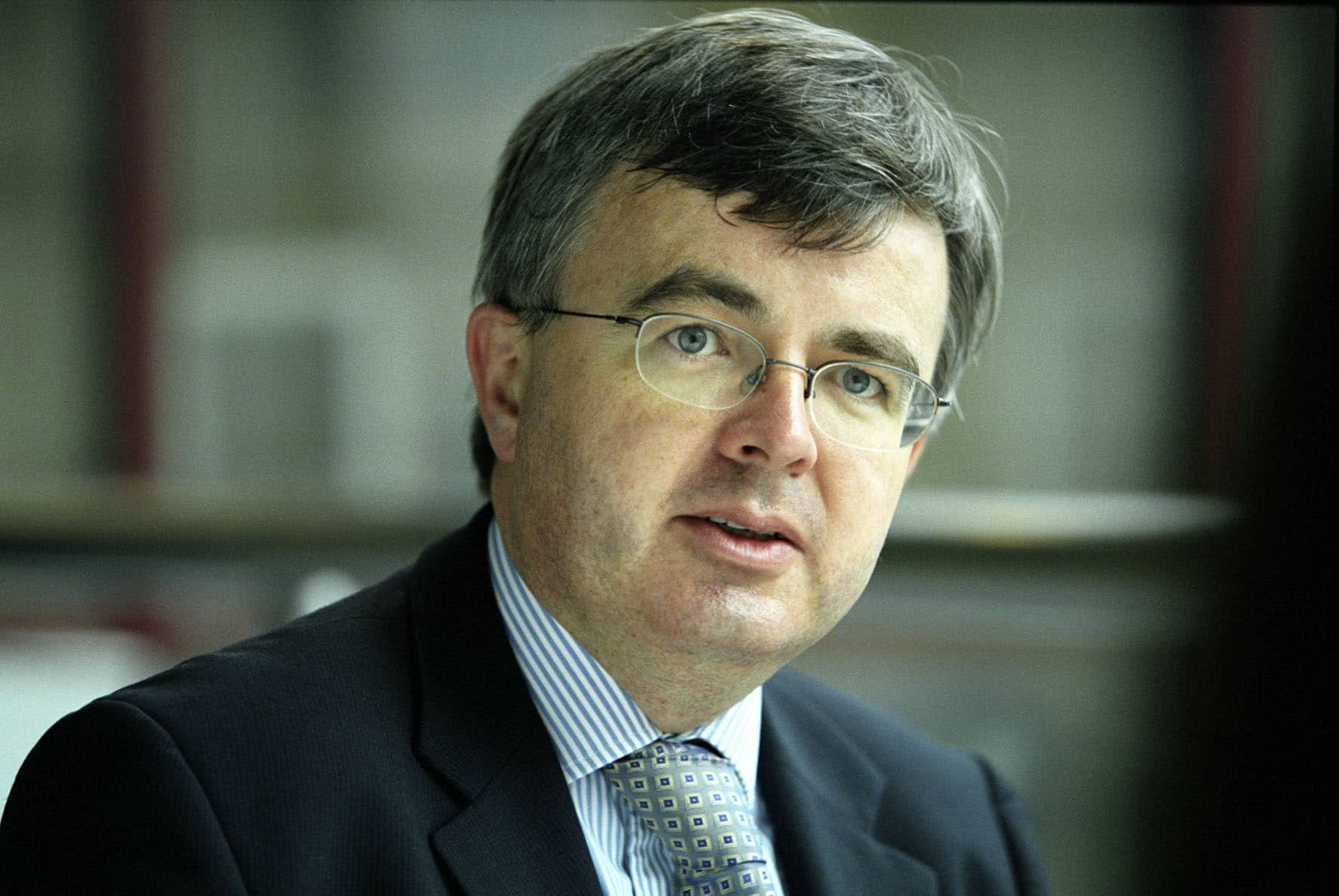
Kenny: concern has sharpened
There are signs of the Solicitors Regulation Authority (SRA) relaxing its strict interpretation of a key rule which may be “dampening” innovation and new entrants to the market, according to the Legal Services Board (LSB).
The separate business rule prevents both traditional law firms and alternative business structures from shifting non-reserved legal work into unregulated businesses.
The rule has been a long-standing source of friction between the two bodies. Though the SRA says it prevents law firms and solicitors from seeking to avoid regulation, the LSB consider that the rule could make legal services more expensive, distort competition and prevent innovation.
It has emerged that LSB chief executive Chris Kenny told the May meeting of his board that concern over the rule “has sharpened in recent months as it appears that the rule may be having a dampening effect on innovation and new entrants”.
He said this is related to a broader debate about the SRA’s nervousness in relaxing its regulatory grip on non-reserved activities, “where we have been urging them to take a risk-based approach, rather than applying current controls in a blanket way”.
The LSB held a “senior-level meeting” with the SRA in early May which suggested “some narrowing of the gap between our positions with a clear SRA commitment to undertake a major review in 2014”.
Further, Mr Kenny reported, the SRA was willing to address the issues “on the narrow canvases” of multi-disciplinary practices involving professionals such as accountants regulated separately elsewhere, other legal services that have been delivered safely outside of regulation for an extended period, and advisory services offered by special bodies.
He said: “Although slower than we would wish, this is welcome progress.”
In February, the SRA rejected an LSB call to review the rule this year.