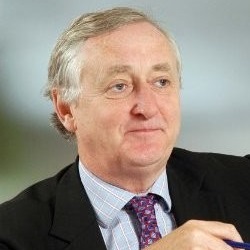
Hooper: SRA’s inquiry should have been more searching
The Solicitors Regulation Authority’s (SRA) investigation into the former lawyers of Russian warlord Evgeny Prigozhin was “supine”, a leading media lawyer has argued.
David Hooper said the SRA’s explanation last week about why it did not take action against Discreet Law for bringing a libel action on behalf of Prigozhin “will not do”.
The SRA said it found “no evidence to suggest” that the now-defunct Discreet Law was, or should have been, aware both that the instructions it received from Mr Prigozhin – who sued journalist Eliot Higgins for tweets connecting him with the mercenary group – were false, and that he was a key player in the Wagner Group, which he vehemently denied at the time.
Mr Hooper – who is now retired but has written a book, Buying Silence, about how oligarchs and others use the law to gag their critics – wrote on LinkedIn that the SRA “must carry out more searching inquiries”.
As with others – such as the UK Anti-SLAPP Coalition – he questioned how Discreet Law could not have known of Prigozhin’s role in the Wagner Group when it took him on as a client.
He explained: “Prigozhin may not have publicly boasted about having founded the murderous Wagner Group and the trolling Internet Research Agency until after his libel action had been thrown out [some months after Discreet Law stopped acting] but there was very strong evidence that Bellingcat [Mr Higgins’ investigative website] were absolutely on the money.
“Prigozhin’s libel action had SLAPP features, such as suing a soft target and not CNN or Der Spiegel [which has reported the same information], suing just before the limitation period expired and an ulterior motive for suing for libel.”
Mr Hooper recounted how the billionaire Prigozhin had served 13 years for robbery with violence and burglary and had close connections to organised crime.
“Despite his lying denials, he and his companies were sanctioned by US Treasury in Department in 2016, 2017, 2018, 2019 and 2022. He was indicted in 2018, placed on the FBI’s Most Wanted list in 2021, sanctioned by the UK government in October 2020.
“He was later sanctioned by the EU and denounced in the USA as a war criminal and leading a transnational criminal organisation
“In September 2020 the US Embassy announced he was believed to be the manager and financier of Wagner. In April 2021, The Times had profiled Prigozhin’s links with Wagner.
“Leaked emails from his Russian lawyers suggested pretty detailed discussions with Discreet Law as how best to implement Operation Hamlet to combat these sanctions.”
Mr Hooper said “these supine investigations by the SRA” underlined the need for an anti-SLAPPs law “with teeth” and “a more searching inquiry into the alleged justification for acting in such cases”.