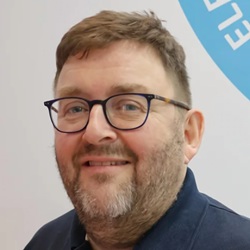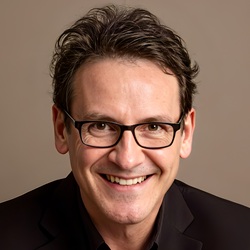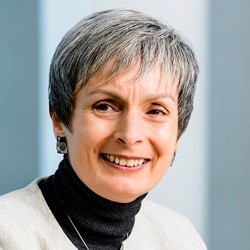
Martin: Member of panel
An economist, a senior in-house lawyer and the head of one of the Big Four’s alternative business structures have been named on a panel created to advise the Solicitors Regulation Authority (SRA).
The members of the expert reference panel were approach directly by the board of the SRA – there was no application process.
According to SRA chief executive Paul Philip, the panel “forms part of our policy development process”.
He told last week’s meeting of the board: “The purpose of the panel is to advise and help deliver our work in a way that meets the public interest and is responsive to changes in the legal services market.
“The panel will consist of recognised external and independent subject matter experts who we may call upon to provide advice in an area where a more in-depth, external view would be useful.”
The inaugural core panel members are:
- Kate Briscoe, chief executive of consumer website Legal Beagles;
- Claire Blades, legal services policy and development manager at Citizens Advice;
- Professor Chris Decker, economist at Oxford University;
- Philip Goodstone, a partner at EY and head of its alternative business structure;
- Professor Martin Lodge, professor of political science and public policy at the London School of Economics;
- Rosemary Martin, group general counsel and company secretary at Vodafone Group, and a member of the Lawtech Delivery Panel.
Mr Philip said the members were approached in a personal capacity “for their particular experience”, rather than as representatives of their employers.
Most of the panel activity will be virtual, with it convening as a whole once or twice a year.
The board heard that other members might be asked to join the panel, “which will be refreshed from time to time”.