Law Society: Annex up for rent
The Law Society and Solicitors Regulation Authority (SRA) are set to collect a total of £224m in fees from solicitors for the next practising year from November, £50m more than the current year.
This represents a 29% jump – mainly due to SRA demands.
The total is made up of practising fees and SRA Compensation Fund contributions. Of the £178m in practising fees from November, a 20% increase on the current year, £112m (63%) will go to the SRA and £38m (21%) to the Law Society.
The remaining £28m is for the levies funding the work of the Legal Ombudsman, Legal Services Board, Solicitors Disciplinary Tribunal and the Office for Professional Body Anti-Money Laundering Supervision.
The individual practising certificate fee will only increase by 17%, from £326 to £382, due to the continuing rise in the number of practising solicitors to around 194,000. Firms pay 60% of the total fees.
The figures set out in the joint application for approval by the Legal Services Board (LSB) do not include the compensation fund contributions, which will be subject to a separate application.
The SRA has already said it is looking to collect £46m for the fund in the next practising year, £20m more than in the current year.
It announced a change in approach last month, with individuals paying 70% of what is needed, rather than the usual 50%.
As a result, and subject to LSB approval, individuals will pay £170 (143% increase from £70 this year) and firms £2,170 (11% increase from £1,950).
Earlier this year, the SRA said it needed an extra £25m in core funding for 2026-27, a figure it maintained after consultation.
The application highlighted the “rapid changes” in the legal market in recent years, and with it the risks to consumers.
“We have seen more large firm closures and rising concerns about issues in the high-volume consumer claims market.
“We have also continued to see a significant and sustained increase in the number of reports the SRA is receiving about solicitor misconduct. This has resulted in a large increase in the work we need to do.
“Fundamentally, the SRA’s approach, capabilities and resources have not kept pace as the market it regulates has evolved.”
The regulator had to focus on fewer priorities, “move from a largely reactive to a proactive approach to regulation, and improve operational and technological capabilities to be better prepared for the scale and complexity of the challenges we face”.
In total, the SRA’s draft budget for 2026-27 shows income of £195m, with £59m from the Solicitors Qualifying Examination, £10m from the Compensation Fund – recovering the money spent on administering the fund and conducting interventions – and the rest from other regulatory fees, interest and investment income.
It is anticipating a surplus of £10.3m so as to return reserves to around £22m, deemed an acceptable level; the SRA is expecting to run a planned £10m deficit in the current year because of increased spending, which has been covered by reserves.
This includes £11.7m on external disciplinary and enforcement legal costs, 55% higher than last year, because of a number of high-profile cases.
“Amongst these are our investigations related to the Post Office Horizon scandal and increased reports of solicitor misconduct,” the application explained.
“Additionally we have had a number of adverse costs orders that have required us to make significant payments during the year. These factors have increased costs in year.
“We have instigated an end-to-end review of our investigation and enforcement processes and other improvements, which will ensure that our enforcement work is targeted on the key issues and well executed going forward.”
Though practising fees largely pay for regulation, the Legal Services Act 2007 allows the Law Society in its representative guise also to access them for ‘permitted purposes’ – certain prescribed non-regulatory activities, such as law reform and practice advice.
Its portion of the fees is set to increase by 2%, with the society using its reserves too to keep the rise down.
The society’s budget for 2026-27 is £59m, made up of £38m from practising fees, £13m from commercial activity, £6m from reserves and the rest from investment income. However, it said the rate of growth in commercial income was slowing, partly as a result of a less active recruitment market.
The Law Society has free reserves of £45m and total reserves of £77m.
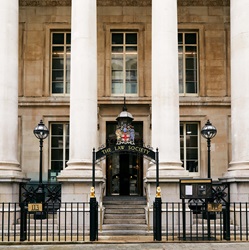
It said it has put the 114 annex to its Chancery Lane headquarters on the market for letting. This building was significantly damaged by fire in early 2020 and has been renovated in the years since.