ChatGPT: An assistant, not replacement, for human decision-making
The Solicitors Qualifying Examination (SQE) holds up well in the era of artificial intelligence (AI) chatbot ChatGPT, the boss of the Solicitors Regulation Authority says today.
Writing today for Legal Futures, Paul Philip said that, though AI would have “huge implications for the legal sector”, the skills aspiring solicitors learn to pass the SQE would still be valuable.
“Just because a lawyer can look something up doesn’t invalidate the need for them to be able to understand the law,” he said.
“Even if a lawyer can generate a decent legal answer from AI, they still need to be able to assess its validity. They also need the skills to be able to apply that knowledge usefully – from problem solving to being able to build a rapport with a client and understand their needs.”
While more and more legal tasks would be undertaken by technology, qualified lawyers would still provide oversight, he went on, although “they will also be focusing more on those nuanced tasks where human input adds the most value”.
The fact the SQE was held in-person negated concerns about plagiarism seen in other parts of education, while the focus of SQE2 was on “skills which AI will not be replacing anytime soon”, such as advocacy and client interviewing.
He suggested, however, that AI could lead to a “revolution” in the training market by using a candidate’s data to understand their interests and learning styles. “It can then tailor training content to keep you engaged, while also focusing on areas of weakness.”
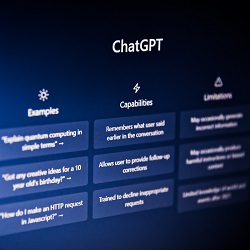
Mr Philip said he asked ChatGPT itself whether the SQE would change to reflect AI. It concluded that it depends on how much the sector adopted AI, while any decision to change would require consultation and approval from the SRA.
“So it looks like the ball is back in our court, a helpful reminder that currently AI is only an assistant not a replacement for important decision making. So I’ll confirm that we have no plans to change any of the fundamentals of the SQE.”