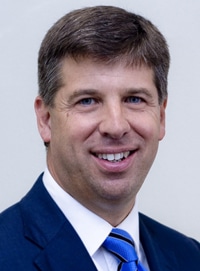
Smithers: “academic rigour” underpins commercial success
Plans by the Solicitors Regulation Authority (SRA) to introduce a centrally assessed Solicitors Qualifying Examination (SQE) could create an “even greater diversity problem” for the profession, the Law Society has warned.
“Less well informed students, those without access to the profession or good sources of information may pick a course which allows them to pass the SQE, but which is not seen as a suitable education for employers.
“Alternatively, students may incur large amounts of debt undertaking prestigious university law courses, only to find that they are not prepared for the SQE and need to attend crammer courses, at no doubt more cost. This will be a huge issue for those without financial support.”
Responding to the SRA’s consultation on the issue, the society said both stages of the SQE would “almost certainly operate within a free market environment of intensive preparatory courses”, courses which would not be available for funding by student loans and would have to be self-funded.
“The counter argument put forward by the SRA that students have financial choice as they are not required to undertake university or post-graduate education at all, ignores the fact that many poorer students benefit immensely from university education.
“The opportunities for improvement in written, verbal, team-working and other valuable skills would not be available to them otherwise, nor would the valuable contacts they will need for gaining work experience or training opportunities.
“Whilst there are currently other routes into the profession, these are still seen as secondary to the graduate route and the SRA’s proposals run the risk of exacerbating this situation and creating an even greater diversity problem than currently exists.”
The society’s response strongly attacked the idea that people could become solicitors through the SQE without any “mandatory higher education requirement”, academic or vocational, saying it believed this could be “extremely damaging” to the profession and public.
The society also criticised the lack of restrictions on the number of times SQE assessments could be retaken and on the time required to complete all elements of the course.
It warned of “cross-border issues” if waivers from the SQE were not granted to other UK jurisdictions.
Jonathan Smithers, president of the Law Society, said that “academic rigour” underpinned the commercial success of solicitors and the removal of “a degree-level qualification, a Legal Practice Course and a substantial and supervised period of work-based training” would jeopardise the international standing of the profession.
“The Law Society believes work-based learning is essential and must take place in a legal environment, under the supervision of a solicitor, for a substantial period of two years.”
The society confirmed earlier this week that it does not oppose non-graduates becoming solicitors, despite chief executive Catherine Dixon suggesting in an article that they would devalue the qualification.