SDT: Solicitor banned twice over
A solicitor who falsified returns to HM Revenue & Customs (HMRC) so as to underpay stamp duty land tax and pocket the difference in a bid to keep his firm afloat has been struck off.
Munpreet Singh Virdee was also disqualified as a director for six years as a result of his actions after being arrested by HMRC.
Mr Virdee, born in 1971, was a director and – from 2012 to 2018 – the COFA of West London Reemans Solicitors, which was wound up last year because of the money owned.
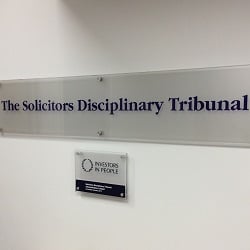
The Solicitors Disciplinary Tribunal found that, between 2012 and 2016, he deliberately falsified the consideration figures on 36 stamp duty forms so as to underpay the tax by £312,000.
After HMRC raised enquiries on four transactions, Mr Virdee paid £45,000 over, which he took from the accounts of other clients.
The solicitor, who qualified in 2001, did not attend the tribunal hearing but earlier told the Solicitors Regulation Authority that he took the money because “he wanted his business to survive and that people’s livelihoods depended on it”.
The tribunal did not accept his explanation that his actions were also due to the pressure of work.
Mr Virdee was also found in breach of the accounts rules by creating a shortage on client account by making a number of round-sum transfers in excess of the invoices, while he failed to comply with his obligations as the COFA by not self-reporting to the SRA.
Evidence from the firm’s COLP was that Mr Virdee had complete control of the firm’s finances.
In deciding that a strike-off was the only appropriate sanction, the tribunal said his conduct had damaged clients – they were now liable for interest on their underpaid tax – and caused “significant harm to the reputation of the profession”.
The tribunal continued: “His misconduct was deliberate, calculated, repeated and had continued over a significant period of time. He had concealed his conduct from those with whom he worked.
“When initially contacted by HMRC, he explained to his colleagues and to HMRC that the shortage in the payments had been made in error when he knew that was not the case.”
Mr Virdee was also ordered to pay costs of £21,752.
According to the Insolvency Service, Mr Virdee’s six-year director’s disqualification began on 6 July 2020.
It said he submitted 52 false returns to HMRC between 2010 and 2015, with a total underpayment of £381,000.
This led in November 2018 to HMRC executing a search warrant at Reemans’ offices, Mr Virdee’s home and that of a fellow director.
It said he has so far repaid £253,000, most of which the tribunal ruling indicated came from him selling his house.
The Insolvency Service noted: “As a result of the irregularities in the returns and the likely indebtedness to HMRC as a result, the directors of Reemans took specialist advice leading to the liquidation proceedings.”