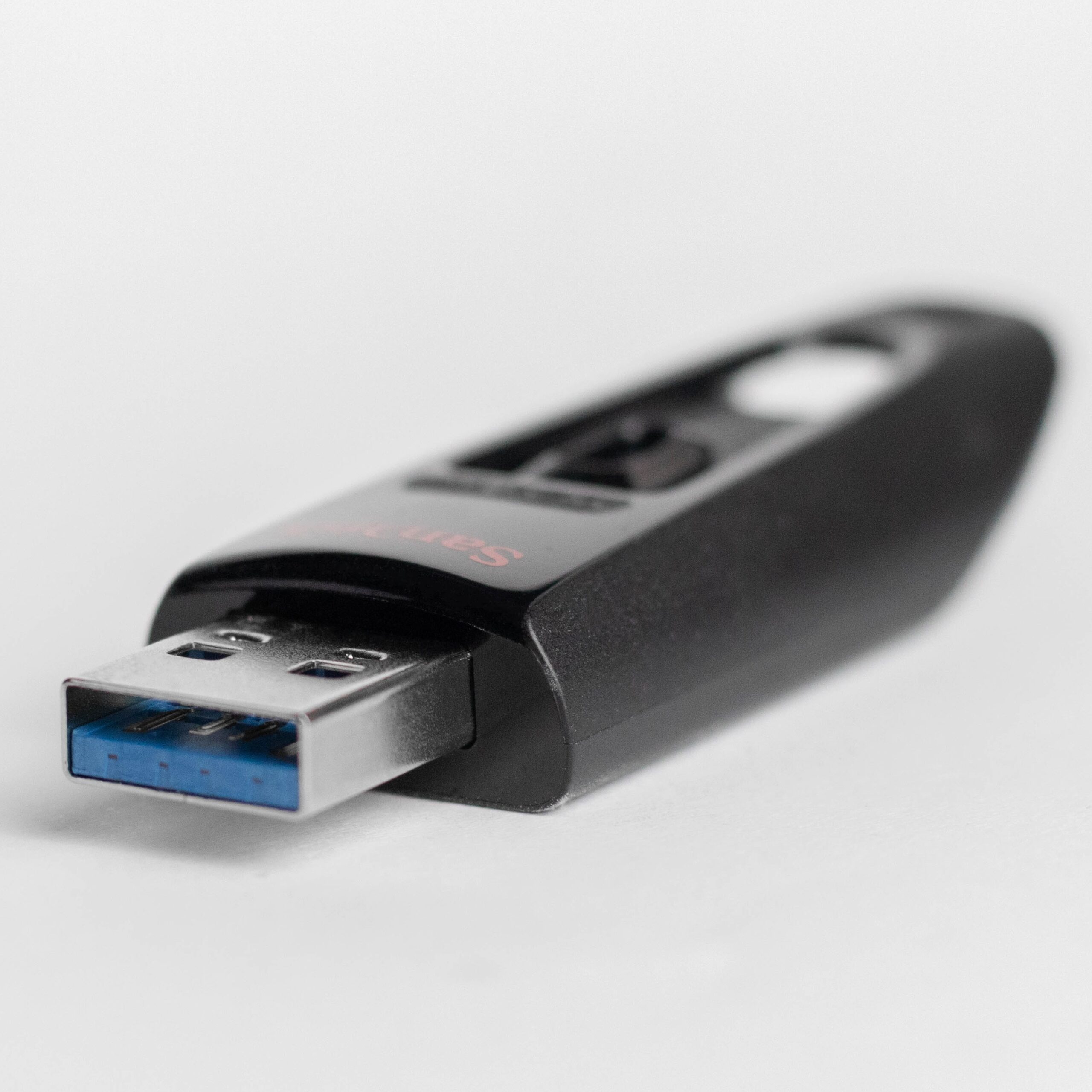
USB stick: Solicitor did not realise it was lost
A solicitor who lost an unencrypted USB stick full of client information that was subsequently found by a member of the public has been rebuked by the Solicitors Regulation Authority (SRA).
The storage device contained approximately 1,400 documents created over three and a half years, featuring confidential information about clients and former clients, including details of minors and of clients’ criminal convictions.
According to the Solicitors Regulation Authority (SRA), Lucy Crossman was on furlough at the time from North-West criminal defence firm Walsh Solicitors, where she worked between October 2016 and April 2021.
The USB stick was found by a member of the public on 3 July 2020, although the notice published by the regulator does not say where.
This person accessed it and found reference to another firm of solicitors, which they contacted and sent the device. The firm reported the matter to the SRA.
Ms Crossman admitted breaching the rules by failing to safeguard confidential client information.
The SRA said the solicitor “has admitted her conduct in full and shown insight”. She told the regulator that she failed to realise the USB device was lost as she was on furlough at the time.
In deciding a written rebuke was the appropriate outcome, the SRA said Ms Crossman’s conduct was “reckless as to the risk of harm and her regulatory obligations”, but there was a low risk of repetition.
“The level and nature of breach is such that some public sanction is warranted to uphold public confidence in the delivery of legal services,” it added.
Ms Crossman also agreed to pay costs of £300.