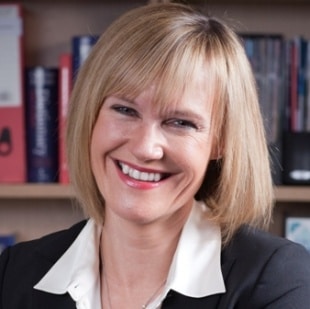
Holt: preferred member status
Slater & Gordon’s (S&G) new Linked to Law network will see cases going both ways between the alternative business structure and member firms, it has emerged.
Under Connect2Law – the Pannone brand which, as we reported last week, has gone with its former chief executive, David Jabarri – cases were only referred up the spokes of the referral network to Pannone and the other regional ‘hub’ firms, and not the other way round.
Emma Holt, the head of Pannone within Slater & Gordon, told Legal Futures that the changes to the network were “all about aligning it with the vision and values of Slater & Gordon”.
She said S&G’s various offices around the country would be the new hubs, while it would confer “preferred member” status on some firms that would enable them to receive work from S&G. This would be subject to service level agreements, and could either be overflow work or in areas that S&G does not currently cover.
Ms Holt said that many of the features of Connect2Law would be retained, such as non-poaching agreements, but some would be enhanced, including the procurement offering, which will extend to energy providers and remote dictation among other services. There will be a “new suite of products”, she promised.
The professional indemnity insurance scheme, offered through Willis, will also be relaunched, with risk and compliance advice available through its linked business CORRE.
At its height Connect2Law had approaching 3,000 member firms, but Ms Holt would not be drawn on how large Linked to Law would become. Pannone had been the ‘hub’ firm for the north-west and London, which between them had 900 members.
“We’re not just chasing size for the sake of it,” she said. “We have ambition but it’s related to ensuring firms want to be in a relationship with us and that it can add value to their clients…
“We have a good foundation of trust to build on. It’s about making sure it works for the firms and it works for us, and [ultimately] that people get access to the best firm for them.”