


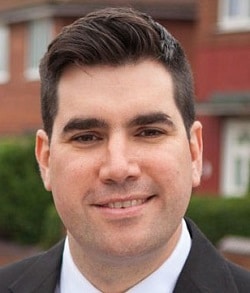
Burgon: We will vote against
The shadow justice secretary has ripped into the Civil Liability Bill, saying Labour will vote against it as it stands.
Richard Burgon MP, a former solicitor, said the government had to drop all the measures “that create yet more barriers to justice”.
The bill receives its second reading in the House of Commons today.
Writing for the political website Left Foot Forward, Mr Burgon said: “We are all meant to have equal access to our justice system. But when you can’t afford to defend your legal rights then they are not worth the paper they are written on.”
It was “perhaps” not coincidental that the Conservatives’ reforms would also “boost the profits of their friends who run the insurance industry”.
He added: “The Tories claim it is about reducing fraud. But everyone injured this way [with whiplash] will get less compensation. That surely can’t be right.
Such an approach is an assault on the rights of genuine victims. Pre-eminent legal experts have warned that penalising the innocent in this way goes against the principles of our justice system.
“Former Lord Chief Justice Lord Woolf said that it ‘results in injustice and it is known to result in injustice. Indeed, no one can deny that it results in injustice’.”
Mr Burgon said the connected small claims track change would mean that “tens of thousands of working people will no longer have access to free legal help. Many will have to represent themselves, even where the insurers fighting against them still having lawyers of their own. Others will not be able to pursue their cases at all.”
He concluded: “Labour is clear that this legislation in its current form cannot be supported. The government needs to drop all the measures that create yet more barriers to justice, or we will vote against it.”











