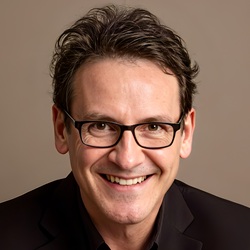
Nally: Respect and trust in the profession is a rare privilege
The Solicitors Disciplinary Tribunal (SDT) rejected a quarter of the outcomes agreed by the Solicitors Regulation Authority (SRA) and defendants last year, its annual report has revealed.
In all, 67 solicitors and one registered foreign lawyer were struck off in 2019, a fall from 80 the year before.
The figures showed that agreed outcomes – which obviate the need for a hearing – were more likely to involve a strike-off than a hearing, but the SDT refused 12 of the 48 with which it was presented. The report did not detail why.
In all, the SDT dealt with 87 substantive hearings over 308 sitting days in 2019, an increase of 42 days from 2018.
It had estimated 406 sitting days, but the lower figure was in part because only seven of the predicted sexual misconduct cases were referred/dealt with in 2019, a third of the number predicted (for which a total of 81 days had been estimated).
At the same time, the gradual increase in the length of substantive hearings continued, with the average hearing now taking just over two days.
Some or all allegations were upheld in 81 of the 87 hearings; dishonesty was proved in 46% of cases, not proved in 17% and not alleged in the rest.
In addition to the strike-offs, the SDT handed out 11 fixed-period suspensions, 50 fines totalling £720,000, 20 restrictions on practice, three reprimands and six section 43 orders banning non-solicitors from working in the profession without the SRA’s approval.
The SDT also ordered £2.5m in costs in favour of the SRA, some £920,000 less than the year before, although the regulator does often struggle to recover costs orders.
The tribunal beat its targets by having 64% of cases concluded within six months of issuing proceedings, and 22% within a further three months.
The number of applications – the majority from the SRA, with a smaller number from lay applicants – stayed steady at 137.
Writing the foreword to the report, SDT president Ed Nally said: “Respect and trust in the solicitors’ profession is a rare privilege that has been earned over generations. It can easily be impaired by unacceptable conduct from a few of our number.
“Where that occurs, it is important for us to ensure the highest possible standards of integrity and professionalism are maintained. That is, after all, all that we can strive to do.”