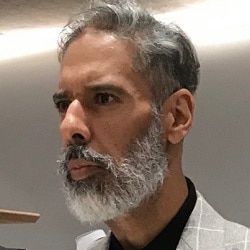
Khan: All is forgiven
The barrister who asked a fellow counsel to stop posting quotes from the Quran on LinkedIn has apologised and said they should not have sent the message.
As we reported last week, Tahir Khan, head of Shariah law at Clerksroom, described the message from the barrister – whose identity he has not disclosed – as a “great illustration of unconscious or conscious bias towards my religious beliefs and my law practice”.
He pointed out to the barrister that the Quran formed the framework which governed how he advised his clients.
Mr Khan has now shared a follow-up message from the barrister, which said: “I realise that I should not have sent you the message that I did and profusely apologise for doing so. Please accept my apologies.
“I realise now that your messages have comforted people and some have found them inspirational. It was not appropriate for me to have suggested that your posts were not appropriate and I really did not mean to cause any offence.
“There are very difficult times and we all need to support each other.”
In response, Mr Khan thanked him for the message. “I extend my hand in friendship, my learned friend (virtual of course). No hard feelings, all [is] forgiven.”
Drawing from the Quran, he said “forgiving others improves your physical ability and lightens your heart, which makes it a great source of reward from Allah”.
He shared the exchange with his LinkedIn followers, who welcomed the outcome.
James Pereira QC wrote: “This – what you have done – is what inclusion looks like. We find space to listen; we recognise the ability to learn, to change; we acknowledge our differences and we find connection on common ground; we pause, reflect, move forward, carrying each other together.
“I salute whoever it was who criticised your posts and was then able to reflect and change; and thank you Tahir for modelling the compassion lacking in so much dialogue today.”