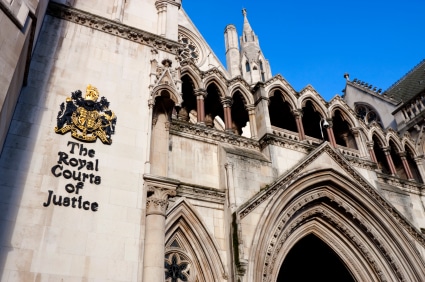
Court of Appeal: expedited hearing
The introduction of the Quality Assurance Scheme for Advocates (QASA) is likely to be delayed yet again after four barristers won permission to appeal against the dismissal of their judicial review by the High Court.
The permission was granted following an oral hearing, after the claimants had been refused permission to appeal by the High Court and then on paper by the Court of Appeal.
The Joint Advocacy Group (JAG) overseeing the scheme announced last month, after the barristers renewed their application for permission to appeal, that the first deadline for registration, on 30 May, would be reviewed.
In a statement after the hearing on Friday, a JAG spokesperson noted that the claimants had been granted leave to appeal on all grounds.
“We welcome the fact that an expedited hearing has been agreed and is likely to be listed for mid-July. We look forward to assisting the court in due course.
“Members of the JAG will consider the implications of today’s decision and issue further information shortly.”
Each regulator decided to adopt a slightly different approach to the phasing of registration. The BSB suspended the phasing of QASA registration pending the outcome of Friday’s hearing, after which the timetable will be reviewed.
However, all barristers who wish to undertake criminal advocacy remain required to register by 31 December 2014.
The SRA said it would review the current registration timetable for solicitors following the hearing. The closing date for chartered legal executive advocates to register with IPS remains 30 May, but IPS also promised to review it.
Lord Justices Tomlinson and Briggs said the appeal raised matters of “fundamental constitutional importance”.
The judicial review application was made in the names of Katherine Lumsdon, Rufus Taylor, David Howker QC and Christopher Hewertson, and supported by the Criminal Bar Association.
The barristers were represented pro bono by Tom de la Mare QC of Blackstone Chambers, Mark Trafford of 23 Essex Street and Baker & McKenzie. The BSB and SRA were also represented.