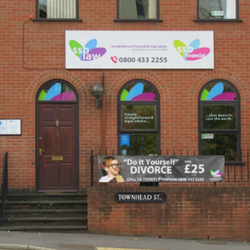
SSB: Probe looking at how it obtained work
The SSB Group scandal – which has seen former clients pursued for costs of claims when they thought they had after-the-event (ATE) insurance – has now extended to another collapsed firm, Pure Legal, it has emerged.
The news came from the Solicitors Regulation Authority (SRA), which also said it was unlikely that SSB clients would have a claim against its Compensation Fund and they should instead assign their cases against the firm to insurers.
Pure Legal was another volume consumer claims firm, which went into administration in November 2021. Its cavity wall insulation cases and some mortgage mis-selling cases were transferred to SSB.
The focus of the SSB scandal has been the ATE on cavity wall claims being repudiated, leading to successful defendants and their insurers seeking to enforce substantial costs awards against clients.
This has in turn triggered a high-profile campaign by former clients and their MPs calling for government action and putting pressure on the SRA.
According to the regulator, its investigation into Pure includes “similar concerns about clients being unexpectedly pursued for defendant’s adverse costs after claims being handled by Pure Legal either failed or were discontinued”.
In an update on the statement made in March about the collapse of the Sheffield law firm, the SRA said its investigation was reviewing how SSB obtained its work and how the claims were handled by staff, including whether clients were properly advised and whether their instructions were followed.
“We are also looking closely at the ATE insurance obtained, and whether the solicitors complied with their obligations to keep the ATE insurers updated regarding the merits and progress of claims.
“We are also looking back to previous complaints that were made about SSB and this issue and assessing their relevance to our ongoing enquiries.”
The regulator said its “early view” was that the compensation fund “is unlikely to assist former clients of SSB where they are being pursued for costs”.
It explained: “The fund only pays out in situations where there has been dishonesty or a failure to account for monies held by a firm and there is no other avenue for recovery.
“Our early view is that the main key allegations we are likely to raise will not involve dishonesty. As the fund is a fund of last resort, even if the firm acted dishonestly, under the rules of the fund those affected would need to pursue a claim against the firm or its insurers first.
“This means that unless something new comes to light, unfortunately for the majority, if not all, of those being pursued for costs, the fund is unlikely to assist them.”
The regulator reported that some of the insurers pursuing clients “have already agreed to drop some of their claims for costs against individuals, on the basis that it takes over their right to seek the money from SSB’s insurers, instead.
“We are also aware of one insurer who has paused claims against individuals while they seek the money through SSB’s insurers.”
The SRA said it welcomed “this pragmatic approach” and was contacting other insurers “to outline the benefit of them taking a similar approach”.
It added that it would continue to engage with the Financial Conduct Authority (FCA) and other regulators and organisations “to explore other possible routes of redress”.
“There is the potential for redress in specific circumstances through the Financial Ombudsman Service, and clients can complain about the quality of service they have received to the Legal Ombudsman.”
The SRA said it aimed to complete the investigations into both law firms later this year.
It is also looking at whether SSB has exposed wider issues with ATE insurance and surveyors, and said in the update that it had invited the FCA, Royal Institution of Chartered Surveyors, Financial Ombudsman Service and Legal Ombudsman to a roundtable event “to explore further the protections for consumers in respect of ATE insurance”.
The Legal Services Board, meanwhile, is investigating the SRA’s actions in the lead-up to SSB’s failure.