Maskew: working closely with Debt Rescue Solutions
A group of public access barristers have formed a partnership with a debt solutions company to provide debtors with fixed-fee court representation that they could otherwise not afford.
ShenSmith Barristers – which provides marketing, administration and clerking services for public access barristers – is working with Debt Rescue Solutions (DRS), whose co-founder told Legal Futures that its clients faced a “total inequality of arms” when representing themselves, as they invariably have to do.
Heenan Gray said that, even though DRS has had success challenging debt collection agencies that could not validate their claims in court, its work with debtors made him realise how much they needed professional representation, as litigants in person were at “a distinct disadvantage” the moment they walked into court.
“Some of these people don’t even know how to fill in the acknowledgement of service and get a county court judgment against them by default,” he said, stressing that DRS was not about debt avoidance.
DRS handles the preparatory work, potentially with some pro bono input from ShenSmith, before handing the case over for court, where it is handled for a “low fixed fee”.
There are also plans for ShenSmith barristers to provide webinars and online surgeries for debtors, accessible through the DRS website for a small subscription charge.
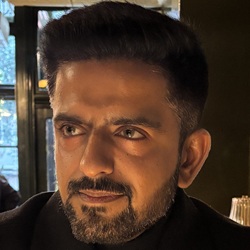
Jonathan Maskew, co-founder and director at ShenSmith, said the cases handled in a pilot of the scheme had been a success.
“We have been working closely with Debt Rescue Solutions over many months to provide a solution for those who often find themselves in difficult circumstances. [We believe] that access to justice is every citizen’s right and should be delivered in a responsive, effective and affordable manner.”
Mr Gray said DRS started off as a group of volunteers but after becoming “inundated” with requests for help, it could no longer operate on a voluntary basis. “They [debtors] need us and we are looking to the legal profession to support us,” he said.