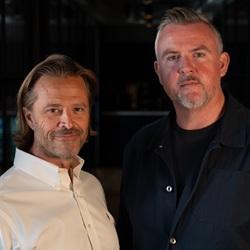
Waldie: Strong organic growth
Listed law firm Gateley has estimated that “pre-budget transactional inertia” shrunk its revenue by around £3m.
Announcing its half-yearly results, Gateley blamed this for wiping out revenue growth in its corporate department over the six months from May to October and helping reduce profits.
Nonetheless, revenue overall grew in the period by over 9% to £94m.
Profits were down from £10.6m in the first half of 2024/25 to £9.5m.
The law firm said the results further extended its “unbroken record of profitable revenue growth” since it floated on AIM more than a decade ago, with “continuing strong activity” expected across its services.
The firm anticipated a resumption of “business-as-usual activity in transactional services as pent-up pipelines unwind, post budget”.
Revenue grew in each of the firm’s ‘platforms’ apart from corporate, where it fell by 0.5%.
“Increasing inertia in corporate transactional activity” was a feature of the second quarter of 2025, “paradoxically almost the opposite of last year’s pre-autumn budget spike”.
This contrasted with “exceptional” revenue growth of over 14% at the property platform, where the residential development team remained the largest segment.
While the commercial property market “has generally been subdued”, the real estate team increased its revenue by over 23%, helped by good activity in the “industrial, logistics, data centre and build-to-rent sectors”.
Revenue from consultancy services grew more slowly than elsewhere, by 5.5% to £27m.
The law firm said integration of intellectual property specialists Groom Wilkes & Wright, which it bought in September this year for an initial consideration of £5.7m in the 15th acquisition since Gateley floated, was “progressing smoothly” and the business was “performing ahead of expectations”.
The professional services sector “remains fragmented and we continue to see significant opportunities for further organic growth and selective acquisitions, aided by the group’s strong balance sheet”, including undrawn headroom of nearly £50m in the £80m revolving credit facility it announced in April.
Partly because of acquisition of Groom Wilkes, net debt grew to nearly £20m by the end of the six months, compared to a surplus of £1.2m in the same period last year.
Average headcount fell by 1.8% to 1,062 as Gateley “carefully managed churn whilst still making appropriate investment in people for growth”, including nine lateral hire partners.
Chief executive Rod Waldie said organic revenue growth of 8.6% “primarily resulted from, firstly, focusing on higher-value work alongside the implementation of our previously announced enhanced pricing and conversion-to-fees policies and procedures and, secondly, solid returns from recent investments in some of our established, market-leading services”.
He added: “These strong organic improvements validate our ongoing patient investment in new systems and service lines and underpins our confidence in delivering margin expansion despite the shorter-term impact of pre-budget inertia.”
Market expectations for the whole of the year were for revenue of £189m and underlying profit before tax of £24m, investors were told.
The law firm declared a proposed interim dividend of 3.3p, the same as this time last year.
Gateley’s shares have been slipping over the past three years but there’s been no obvious reason for this as it has continued to perform well. They closed at 108p yesterday, up 5% on the results, but down from 139p a year ago.