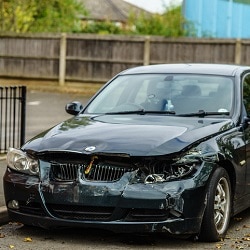
Motor claims: Number increased slightly in past year
The number of personal injury claims registered with the Compensation Recovery Unit (CRU) increased marginally over the last year, but still remain low compared to recent history.
The figures for 2018/19 have just been published, and in all the CRU registered 862,356 claims, of which 660,608 were motor claims, again a minor increase on the previous year.
With the whiplash reforms coming in next April, this is the second lowest number of motor claims since 2008/9 and down from the peak of 828,489 in 2011/12.
Employer’s liability cases saw the biggest jump, up 29% to 89,461, while there was a fall in the number of clinical negligence claims (16,809, down 3%) and public liability claims (85,272, down 11%).
The biggest drop was in ‘other claims’, from 19,172 to 7,614, which is thought to relate to the crackdown on holiday sickness cases.
Matthew Maxwell Scott, executive director of the Association of Consumer Support Organisations, the newly formed trade association for the claims sector, said the 10,000 uptick in motor claims was surprising, because the Association of British Insurers (ABI) said in April that insurance premiums had fallen as a result of the Civil Liability Act reforms.
He said: “The ABI justified the whiplash reforms by arguing that motorists paid more for their car insurance because of ‘an epidemic’ of whiplash claims.
“Now they say that, thanks to the whiplash reforms, premiums are falling. Yet CRU data shows motor claims have risen slightly in the last 12 months.
If insurance premiums are so sensitive to claims numbers, as the ABI suggest, surely car insurance prices would have increased?”
Mr Maxwell Scott added: “The Civil Liability Act was one of Theresa May’s very few significant legislative legacies, but the government’s own data proves that the ‘evidence’ to justify the reforms is very slim indeed.”