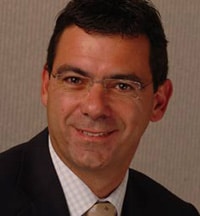
Long: investing in the future of the firm
A 12-partner law firm with offices in Northampton and Milton Keynes has become the latest alternative business structure (ABS).
Franklins Solicitors, which has 80 staff in all, provides a range of private client and commercial law services. A legal disciplinary practice, it was set up in 1982 by solicitor Michael Franklin and non-lawyer Keith Wyld, who is a partner and the chief executive.
Managing partner Simon Long said that Mr Wyld’s position meant the firm would have had to become an ABS anyway; however, the motivation to convert came from wanting to adopt a more corporate structure as the firm has moved away from just providing private clients services and into commercial work too.
The key driver was offering non-lawyer staff the opportunity to become owners, he explained. “There are people who attract significant amounts of work or are influential in the business who, if we were a limited company or PLC, would be on the board. It’s about investing in the future of the firm.”
Further, Mr Franklin is set to retire next year, “creating opportunities for other people to come through”, he added.
Mr Long said there were no plans to seek external investment or use the added flexibility of the ABS structure in other ways.
Franklins is Lexcel accredited, as well as having Investors in People and ISO9001, and opens on Saturday mornings. It has a ‘Franklins First’ loyalty card scheme for clients who have used the firm twice. This gives them a 5% reduction on standard conveyancing fees, a 10% discount on wills, a £35 discount on re-mortgage fees, a free business set-up meeting, newsletters and an exclusive freefone telephone number.
The Solicitors Regulation Authority has now granted 18 ABS licences, and the Council for Licensed Conveyancers three, the most recent of which was major probate provider Kings Court Trust earlier this week, as exclusively revealed by this website.