Whiplash: Call for transparency on reform savings
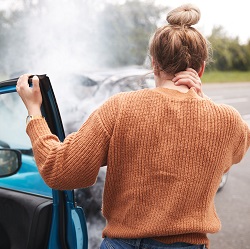
The number of road traffic accident claims continued to fall last year, according to official data, but claims for clinical negligence, employer’s liability and public liability all rose.
Motor claims recorded by the Compensation Recovery Unit in 2024 were half of the number from 2019, before the impact of Covid and then the 2021 introduction of the Official Injury Claim portal.
The Association of Consumer Support Organisations (ACSO), which obtained the information, said the 7% year-on-year fall in motor claims to 328,637 came despite there being more cars on the road and similar annual mileage numbers as in 2019.
The number of clinical negligence claims was up 11% to 16,540, employer’s liability up 3% to 45,497 and public liability up 15% to 65,950.
However, the latter two were still well below their pre-Covid levels, especially employer’s liability at 48%. Public liability claims were 15% lower than five years before.
Matthew Maxwell Scott, ACSO’s executive director, said: “People are still suffering injuries from road traffic accidents, but they are not claiming, even though they have every right to do so.
“The government and insurers have worked hard, through a mix of public policy and public relations, to make it increasingly difficult for injured people to get redress, despite continuing historic highs for the cost of motor insurance.”
He argued that the government’s motor insurance taskforce, which is investigating the high price of cover, “should be asking the insurance industry where the promised savings for consumers are, given that they were stripped of their rights in exchange for these”.
The Financial Conduct Authority is due to publish this year a report on whiplash savings.
Mr Maxwell Scott suggested that the increase in clinical negligence claims “possibly reflects ongoing challenges in the National Health Service”.
He said: “All claims, with the exception of clinical negligence, are down since 2018, reflecting a society where injured people increasingly cannot expect to be supported after they have an accident.”