Westwood: Resignation tendered
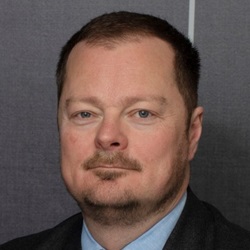
The Legal Services Board (LSB) is to be without a permanent chief executive as well as chair after announcing yesterday that Craig Westwood is to leave the oversight regulator.
Mr Westwood only joined last August from the Electoral Commission but is to leave soon after tendering his resignation this week, citing personal considerations.
Richard Orpin, the LSB’s director of regulation and policy, will stand in as interim chief executive, as he did in the months before Mr Westwood replaced Matthew Hill, with general counsel Danielle Viall also taking on the role of interim deputy CEO.
It was only in March that the then LSB chair, Alan Kershaw, stood down from the role less than halfway through his term, again citing personal reasons. The board’s senior independent director, Catherine Brown, is the interim chair and has been appointed until the end of the year.
Ms Brown said: “On behalf of the board and all of us at the LSB, I want to thank Craig for his leadership during his time as chief executive.
“Over a demanding year, he has led the organisation through significant developments. This included launching our consultation on the role of regulation in strengthening ethical standards in the profession. We also initiated enforcement action against the Solicitors Regulation Authority following the £60m client money loss at Axiom Ince.
“Craig will leave the LSB in a strong position to continue delivering effective regulation in the public interest. We wish him all the best for the future.”
During his time in post, Mr Westwood was particularly outspoken on diversity in the profession, describing progress to improve it as “too slow – in particular, the pace of change in closing progression gaps at senior levels”, and subsequently saying that the LSB had “a duty to act”.