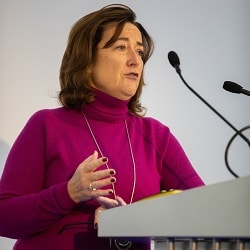
Foulston: Claims withdrawn
Listed legal business RBG Holdings has reached a £500,000 settlement with its former chief executive, who it fired in January after losing confidence in her.
The payment comprises £200,000 of agreed damages for breach of contract and £300,000 in legal costs, to be paid in equal instalments over the next year.
Nicky Foulston’s claims for wrongful dismissal and breach of contract sought damages of more than £1.2m, according to a statement RBG issued to the stock exchange this morning.
RBG – which owns the London law firms Rosenblatt and Memery Crystal – has withdrawn the allegations of breach of fiduciary duty that were in its counterclaim. It said the settlement followed alternative dispute resolution.
A non-lawyer who was a long-standing client of Rosenblatt before joining it in 2016, Ms Foulston led the firm onto AIM two years later.
The company said in January that Ms Foulston’s employment contract had been terminated with immediate effect “as a result of cultural concerns and the execution of the group’s strategy”.
Soon after, an employment tribunal decision revealed that she had used a highly offensive racial term at a dinner attended by a Black lawyer.
The full hearing of Noel Deans’ claim for unfair dismissal, race discrimination, whistleblowing protection, victimisation, harassment and failure to provide a safe place of work has been taking place this month.
Ms Foulston had a 12% stake in the business, making her the third largest shareholder, and it is not clear what has happened to that – there have been no announcements about her selling up but she is no longer listed among RBG’s significant shareholders.
RBG’s recent half-year results said that the group has “de-risked” and begun paying down its debt, but profits have been slashed.
The company’s share price is currently 21p, just shy of the all-time low of 17.4p in July. It hit a high of 160p in July 2021.