


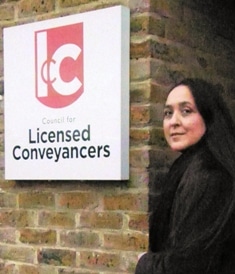
Kumar: opinion very evenly divided
A ban on referral fees in conveyancing is unjustifiable, according to a narrow majority of respondents to a Council for Licensed Conveyancers (CLC) consultation – but there was strong support for enhanced disclosure requirements.
Some 53% of respondents supported the CLC’s current position of allowing referral fees, with larger licensed conveyancing firms strongly backing the status quo. Smaller practices were fairly evenly divided, as were licensed conveyancers working in solicitors’ firms. The Law Society opposed the CLC position.
The CLC’s stance mirrors that of the Legal Services Board’s – that there is little evidence of significant detriment to the client or public interest from the payment of referral fees.
Nearly three-quarters of respondents supported enhanced disclosure provisions. These would mean clients should be provided with information of the arrangement’s nature, the name of the relevant third party, how the payment is calculated and the impact of it on the client.
The client would also have to be notified of the arrangement no later than when accepting instructions, be informed of any restriction or limitation affecting the introduction, and advised of their right to shop around.
A majority supported requiring written agreements, not having a prescribed form of agreement, and that the CLC should publish an overview of all the arrangements in place.
CLC chief executive Sheila Kumar said: “As ever, opinion on the principle of referral fees is very evenly divided but there is a very clear majority in favour of the enhanced disclosure provisions we have proposed. The council will now consider the final shape of our policy on the management of referral fees.”












Competition should be about quality, not the size of the backhander.