



Black: Improving the candidate experience
The Solicitors Regulation Authority (SRA) has proposed greater flexibility in how the Solicitors Qualifying Exam (SQE) operates, including unlimited resits.
It plans to allow candidates to sit SQE1’s two functioning legal knowledge assessments (FLK1 and FLK2) separately, rather than the current requirement to sit both on separate days in the same fortnight-long assessment window.
The move comes after the first changes to the SQE were announced in September. This will see the number of questions in each FLK assessment reduced from 180 to 170 from 1 January 2027, giving an extra six seconds per question.
Questions will also be grouped together so that candidates will know which subject areas will be covered in each part of the paper.
A consultation on the next round of changes, published yesterday, explained that, after five years of the regime, the SRA was now “better placed to adjust the SQE to improve the candidate experience, confident these changes will not impact the high standards of admission”.
The exam has been dogged with questions over its fairness – particularly SQE1, which has a pass rate of around 50%.
Th SRA explained: “During their preparation, candidates must cover the whole of the SQE1 syllabus. Many candidates and other stakeholders tell us that candidates find the experience stressful and fatiguing, and that it can affect candidates’ experience in the assessments and their mental health.
“These effects can be more pronounced for apprenticeship candidates, or candidates who are working, and/or with caring or other responsibilities.”
Having the option to split FLK sittings would give candidates “greater flexibility in choosing a pathway through the SQE that works best for them”, the consultation said.
Further, the data showed that candidates typically performed better on FLK1 than on FLK2, which may be because attempting FLK2 a few days after FLK1 increased “fatigue and cognitive load”.
The SRA also suggested some candidates might make “a tactical decision” to focus on either exam, knowing that if they passed one but failed the other, they would only have to re-take one exam.
It predicted that part-time, self-funded or candidates who have caring responsibilities would be the most likely to take advantage of this change.
There is currently a cap of three attempts for each component of the SQE within six years from the date candidates first sit an assessment – if they fail three times, they must wait six years from the date the SQE was first attempted before they can try again.
Candidates and providers have told the regulator that the cap “adds significant pressure to candidates on their third attempt as the consequences of failure are high”.
The SRA said the cap was not necessary to protect the high standards of the exam – “assessment reliability and classification accuracy are sufficiently protected through assessment design and standard-setting”.
There was “very minimal risk” that multiple resits would give candidates excessive exposure to the test or increase the probability of passing the multiple-choice exam through luck.
Also, there was literature from other fields that suggested candidates could “meaningfully improve in high-stakes exams” up to their 10th attempt.
Another proposed change is how the six-year qualification period is determined. Instead of starting when a candidate first sits an assessment, it would begin when they pass an assessment.
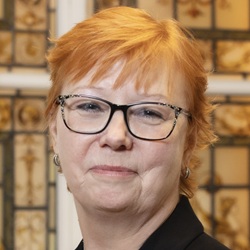
Beth Black, SRA director of education and training, said the consistent feedback from the sector was that, “while confidence in the high standards of the SQE remains important, there are opportunities to make the assessment process more flexible and improve the candidate experience”.
The intention is that this round of changes will come into effect in 2028.










Leave a Comment