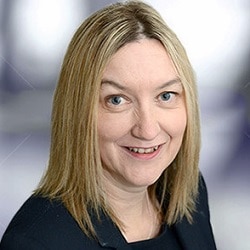
Codd: Expansion plans
A major Lincolnshire-based firm of accountants is moving beyond offering probate services by becoming an ABS to provide clients with a “wrap-around” service.
Duncan & Toplis, which has 11 offices in the East Midlands and a 400-strong team, works mainly for SMEs offering wealth management, IT services, and business turnaround support.
Since 2016 the Duncan & Toplis Group has been authorised by the Institute of Chartered Accountants in England and Wales to provide reserved probate services, alongside unregulated will writing, succession planning and inheritance tax advice.
It has now created Duncan & Toplis Legal Services, an alternative business structure (ABS) regulated by the Solicitors Regulation Authority and licensed to conduct all of the reserved legal activities except notarial work.
The head of legal practice is private client solicitor Amy Codd and the head of finance and administration is Graeme Hills, who has been Duncan & Toplis’s head of legal services since 2016.
The firm has also hired Paul Simpson, formerly an associate partner at Lincoln firm Andrew & Co, to handle corporate work alongside the tax and probate teams.
Ms Codd told Legal Futures the new ABS aimed to provide “a wrap-around service to our clients”, adding: “We are aiming to grow in the future and expand the legal service we can provide.”
Mr Hills said Duncan & Toplis was trusted by clients to provide financial advice to businesses and it was a “very natural fit” to add a “tailor-made” service to include legal work.
Managing director Adrian Reynolds added: “Expanding our legal offering to our clients is a natural progression for Duncan & Toplis which will enable us to offer a seamless service for the businesses we work with.
“Our team of legal experts will provide businesses of all sizes, and their owners, with tailored advice to help them drive their business forward.”