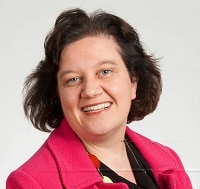
Fitzgerald: time for a change
Distinguished Chancery set Radcliffe Chambers has brought in a past chair of the Association of Women Solicitors as its chief executive, in the latest sign of chambers recognising the need for fresh thinking in how they operate.
Fiona Fitzgerald joins from Colemans-ctts, where she was a partner and had been a full-time manager for 12 years. Prior to that specialised in personal injury and legal expenses insurance work.
Radcliffe Chambers – created in 2006 by the merger of sets from 11 Old Square and 11 New Square – counts former Law Lords Lord Scott and Lord Browne-Wilkinson among its alumni. It is currently home to 44 barristers, making it one of the largest Chancery sets in the country.
Ms Fitzgerald told Legal Futures that she took the role as it was “time for a change and a new challenge”. She said Radcliffe was ready to grow and recognised the need to adapt to the “significant amount of change” facing the Bar, such as the rise of direct access.
“Knowing what clients and solicitors want is helpful,” she said, of what she brings to the role.
Ms Fitzgerald also has a well-documented interest in the impact of the Legal Services Act, and while saying she has not yet had the chance to review Radcliffe’s strategy, added: “There is a recognition that I have an interest in alternative methods of working.”
Head of chambers, Keith Rowley QC, said: “We are very pleased to welcome Fiona to chambers and look forward to working with her to continue our growth.”