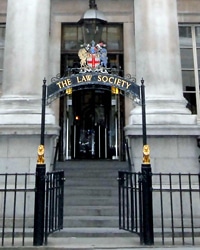
Law Society: commitment to equality and diversity
Eight members of Law Society committees have been kicked off for failing to undergo mandatory equality and diversity training, it has emerged.
Changes to the society’s byelaws last year set all members of boards and committees a 30 April 2013 deadline to undergo the training or they would cease to hold office thereafter.
A report to this week’s meeting of the society’s management board said there had been a “sustained campaign to remind those obliged to complete the training of the requirement for them to do so”, including e-mails and phone calls.
“As a result, the total number of committee members who had not completed the mandatory training within the deadline was eight, of whom three were in any event due to stand down from their committees in the summer. These members have ceased to hold office on the committees on which they formerly served.”
Board or committee chairs were also required to complete further training on unconscious bias and to become “disability confident” by the same deadline. Three had not met this, but “technical and other delays had meant that this training had been made available significantly later than originally intended”.
As a result, the deadline was extended to the end of this month. One of them has so far completed the training.
Law Society president Lucy Scott-Moncrieff said: “It is a demonstration of the society’s commitment to equality and diversity that the council has made training compulsory, and testament to our volunteer community’s commitment that out of well over 300, only eight (three of whom were due to step down this summer anyway) failed to meet the deadline for completion.”
Meanwhile, proposals to strengthen ‘collegiality’ among members of the Law Society council and the way they express dissent appear to have been kicked into the long grass.
They were meant to be debated at its meeting last month, but a spokeswoman said: “Council decided to move the issue of collective responsibility to next business due to the busy agenda, including a debate on legal aid. The issue was around improving the way provisions were drafted – and it is open to the council to return to this in the future, though it is not currently on the future agendas.”