


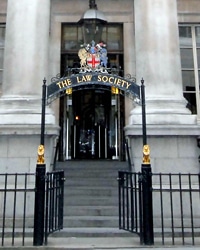
Law Society: QASA is disproportionate
The Law Society has been granted permission to intervene in the judicial review of the legality of the Quality Assurance Scheme for Advocates (QASA).
The challenge to the Legal Services Board’s approval of QASA argues that it “offends fundamental issues of justice”.
The society said it is intervening in the case “in the best interests of all advocates”.
In a statement, it said: “The society will be presenting additional arguments to the court that the Scheme is disproportionate to the perceived problem of advocacy standards and is procedurally unfair.
“The society has consistently voiced its concerns about the scheme, particularly in respect of proportionality and the implications of judicial evaluation.”
The case, which has been listed for hearing at the end of November, has been brought by four barristers – Katherine Lumsdon, Rufus Taylor, David Howker QC and Christopher Heretson – with the backing of the Criminal Bar Association (CBA). They are being represented pro bono.
The Bar Standards Board, Solicitors Regulation Authority and ILEX Professional Standards – the regulators who developed QASA – are interested parties in the litigation.
At the time the judicial review was launched, CBA chairman Nigel Lithman QC said: “QASA offends fundamental issues of justice. For instance the idea an advocate can act fearlessly with one eye on his client and the other on the judge is an ugly notion.
“With our regulators unprepared to listen to us, this is where we have ended up.”
Earlier this month Mr Justice Ouseley limiting the combined costs the claimants would have to pay the LSB and the Bar Standards Board in the event they lost to £150,000.











