


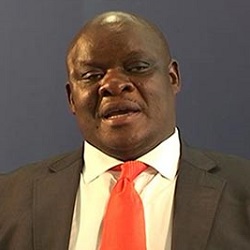
Moyo: We need to remind people of the importance of the profession’s principles
The International Bar Association (IBA) has launched a project to examine the role of lawyers as “ethical gatekeepers” within wider society and help clarify their ethical responsibilities at work.
The IBA said criticisms of the profession had “emerged from a number of sources”, with “the most recent high-level reproach coming in relation to legal services provided to individuals and entities associated with Russia’s invasion of Ukraine”.
These attacks followed “existing and sustained” charges levied against the profession in relation to “perceived facilitation of illicit financial activity, enabling climate change and frustrating the achievement of the United Nation’s Sustainable Development Goals”.
The project will seek ways to engage in “meaningful dialogue with those criticising the profession”, while explaining the dangers of undermining its core values.
The IBA published a statement defending the principle of lawyer-client confidentiality in January this year, in response to criticism by international bodies, such as the UN, which “considered that the profession’s core values stand in the way of their efforts to stamp out financial crime”.
The Gatekeepers Project will begin with a consultation across the IBA membership, including bar associations, law societies, law firms and individual practitioners.
A series of publications will follow the consultation phase, including guidance for law firms on how to navigate the “ethical minefields posed by modern commercial legal practice” and an update or ethical commentary for the latest version of IBA’s international principles on conduct for the legal profession.
Mark Ellis, executive director of the IBA, said the project had the potential to be “one of the most important undertakings of the IBA” since it first issued an international code of ethics in 1956.
“We need to recognise that the world has changed a lot in the last 70 years, as have the ethical dilemmas facing the profession.’
Project leader Sara Carnegie added: “Rather than wait for negative comments to develop into actions and to avoid forming a position of defensive entrenchment, we want to undertake constructive dialogue and find solutions.”
The IBA said the questions likely to form part of the consultation covered the types of ethical challenges lawyers were faced with, whether ethical guidance was fit for the new challenges and how lawyers could respond effectively to a shift in priority towards “broader social concerns and considerations”, such as human rights.
“Can a sensible and cohesive position be reached on these issues given the varying political and cultural constraints and influences that exist in different jurisdictions?”
Sternford Moyo, president of the IBA, said: “If nothing is done, there is a real danger that the vital importance of [the profession’s core] principles will be eroded and gradually forgotten in the eyes of wider society.
“This would have disastrous consequences for the future availability of independent legal advice, fair legal systems, and access to justice for citizens around the world.”











