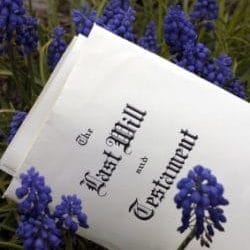
Will: Drafting betrayed limited understanding
A badly drafted will which has caused “untold anguish” to relatives of the deceased shows the dangers of using unqualified will-writers, the High Court has warned.
His Honour Judge Cadwallader, sitting in the High Court in Liverpool, said that for a will to give rise to “quite so many genuine questions of interpretation” was unusual.
He went on: “This will is drafted badly. This dispute has no doubt caused at least some of the parties untold anguish, substantial expense and delay, and destroyed family relationships.
“The evidence suggests that the will was prepared by an apparently unqualified person holding himself out as a will writer, perhaps for money. This case demonstrates the perils of trying to save expense by using the services of unqualified persons to write wills.”
HHJ Cadwallader explained how Veronica Clarke’s will used clauses, parts of clauses and words familiar to lawyers used to dealing with wills, and in standard form, “but it does so in ways which betray a limited understanding of their meaning and function, and of the underlying body of law in relation to which, when used properly, they are formed”.
He added: “They may well have been cut and pasted from some other documents or precedents, perhaps rather old ones, and then amended.”
The part 8 claim was brought by Ms Clarke’s nephew, Henry Tedford, as executor of her estate to determine the “numerous difficulties” of construction.
Mr Tedford was, under some potential constructions of the will, a potential beneficiary but the judge stressed that he had acted properly in bringing the proceedings to resolve those difficulties, since they could not be resolved by agreement.
“He would be unable as executor safely to distribute the estate without the protection of a court order. That he also has a personal interest in the outcome as a potential beneficiary does not detract from that.”
HHJ Cadwallader added that there were separate proceedings brought by two of Ms Clarke’s siblings for Mr Tedford’s removal as executor.