


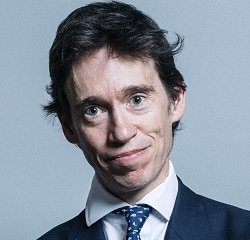
Stewart: Behaviour tarnishes reputation of British people abroad
The Ministry of Justice (MoJ) has met its timetable to introduce fixed recoverable costs for holiday sickness claims, announcing today that they will come into effect “in the coming weeks” and before the summer holiday season.
The rule change will be published on Monday, applying the public liability fixed costs regime to holiday sickness claims, after it was agreed by the Civil Procedure Rule Committee. We reported earlier this year that the target was April.
This will provide answers to the various questions that have surrounded the change, such as whether it applies only to gastric illness claims or other types of illness.
Other issues have been when the medical report should be provided (this is likely to be at the letter of claim stage) and whether the regime will cover multi-party actions.
The MoJ said it would also publish its response to the call for evidence on holiday claims that it issued last year, to which it received around 40 responses, but has not said when.
The announcement for the first time put concrete figures to the widely quoted statistic from the Association of British Travel Agents that holiday sickness claims have increased by 500% in recent years.
The increase was from 5,000 claims in 2013 to around 35,000 claims in 2016.
“This is despite the fact that travel industry data on the global trend for reported incidence of illness in resorts has actually declined in recent years,” the MoJ said in a press statement.
It continued: “Up to now, legal costs in overseas package travel claims have not been controlled, which has meant costs for tour operators can spiral out of all proportion to the damages claimed.
“This has led many operators to settle holiday sickness claims out of court, rather than challenge them… [It has] also emboldened claims management companies to encourage tourists to pursue holiday sickness compensation, with touts reportedly operating in European resorts.”
Justice minister Rory Stewart said: “Claiming compensation for being sick on holiday, when you haven’t been, is fraud. This damages the travel industry and risks driving up costs for holidaymakers.
“This behaviour also tarnishes the reputation of British people abroad. That is why we are introducing measures to crack down on those who engage in this dishonest practice.”
The MoJ also said that, since October 2017, four couples were either sentenced or ordered to pay significant legal costs by the court after making false package holiday sickness claims.
These cases were private prosecutions brought by tour operators Thomas Cook, TUI and Red Sea Holidays.











