Denis-Smith: You can pursue both profit and purpose
Bates Wells, the first UK law firm to become a B Corp, has started working with alternative legal services provider (ALSP) Obelisk Support, which became a B Corp in September last year and supplies specialist legal consultants.
Meanwhile, national law firm Freeths last week became the largest law firm to date to become a B Corp and the only one in the top 50.
Bates Wells was the first UK law firm to become a B Corp, which aim to balance profit with purpose, when it was certified in 2015. It was followed in 2020 by contracts specialist Radiant Law.
There are now at least 17 legal services providers with a B Corp certification, including regional law firm Brabners which made the move in 2022, house of brands group Ampa at the start of 2023 and Kent law firm Cripps and North-East firm Muckle last month.
B Corp certification measures business impact under five headings – governance, workers, community, environment and customers, covering issues from employee benefits and charitable giving to supply chain practices and materials.
Sally Procopis, chief operating officer at Bates Wells, said: “We actively look for suppliers who are fellow B Corps with a strong social purpose and an environmental agenda, and Obelisk Support fits those criteria.”
Bates Wells now has over 100 B Corp clients and an increasing number of suppliers who had achieved B Corp status, with several more going through the process.
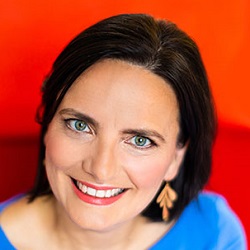
The pair said they were making a conscious effort to work with like-minded enterprises. Dana Denis-Smith, founder and CEO of Obelisk Support, said Bates Wells was “at the vanguard of the B Corp movement” and “set a strong example” for other law firms to follow.
“Organisations like Bates Wells and Obelisk demonstrate to the legal profession that you can pursue both profit and purpose. You don’t have to sacrifice one for the other.”
Since its creation in 2010, Obelisk says it has built up the UK’s largest vetted freelance legal team, with over 2,000 consultant legal professionals.
Clients include BT, CMS, ING Bank and Ocado, and Obelisk was named last week as a member of HSBC’s first ALSP panel.
Freeths has over 1,000 staff in 13 UK offices across the UK, including Glasgow, Liverpool, Manchester, Bristol, Birmingham and London.
The firm said it would be working with the environmental company Planet Mark to help the firm to create a net-zero plan, and to establish interim and long-term science-based targets.
Chris Freeston, head of the banking and finance practice at Freeths, led the B Corp certification process.
He commented: “As a responsible business, it is testament to the hard work of our people and it highlights these important issues and embraces the values that are integral to our firm, our people, clients, and our communities.
“At Freeths, we take our commitments to people and the planet very seriously and this status demonstrates our ongoing performance in the field.”