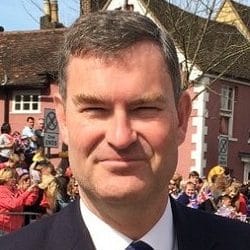
Gauke: Combining policy experience and legal background
Former Lord Chancellor David Gauke, who lost his seat at December’s general election, has returned to his old firm Macfarlanes as head of public policy.
Mr Gauke, who was a solicitor at the City firm from 1999 to 2005, will not be practising and will combine the role with other activities.
The first solicitor to become Lord Chancellor, he resigned last July over Brexit after 18 months in the role, and then had the Conservative whip withdrawn for voting against the government over the Benn Act.
This meant he had to stand for re-election in Hertfordshire South West as an independent and, despite securing 16,000 votes, lost the seat to the Conservatives by 14,000 votes.
Macfarlanes senior partner Sebastian Prichard Jones said: “In recent times we have seen increasing demand from clients for our assistance on topics such as our future trading relationship with the EU and the implications of the Covid-19 pandemic.
“David’s understanding of policy and the political landscape, combined with existing expertise within the firm, will enable us to support our clients further as we navigate these uncertain times.”
Mr Gauke said: “I am really pleased to be returning to Macfarlanes in this new role, which will allow me to combine my policy experience and legal background for the purposes of providing insight and advice to clients to support their business objectives.”