


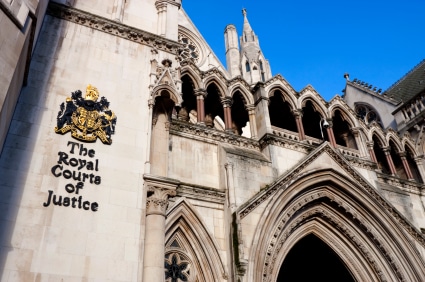
High Court: wholly disproportionate to restrain solicitors from acting
A defendant in a high-profile group action has failed in his bid to have the claimants’ solicitors thrown off the case for having sight of privileged documents.
Bjorn Stiedl is one of the defendants in the multi-million-pound InnovatorOne case, in which 555 claimants – backed by third-party litigation funding – are suing over money they allegedly lost from investments.
Lawyers at Addleshaw Goddard, some of whom moved last year to form Enyo Law, taking the case with them, were provided with the contents of the InnovatorOne server and Mr Stiedl claimed that these included confidential and/or privileged documents that were personal to him.
All of the 180,000 documents on the server were subjected to a ‘tier 1’ review that aimed to eliminate obviously irrelevant material without a substantive read. Further correspondence then prompted Addleshaws to place 3,160 disputed documents in an electronic ring-fence, after which an independent review established that 25 of them were both prima facie privileged and relevant.
However, Mr Justice Beatson decided that “no substantive information” would have been gleaned under the tier 1 review. “No-one who is now at Enyo and who was a member of the team conducting the tier 1 review could remember the content of any specific document given that they looked at many tens of thousands of documents,” he said.
The law required there to be a “real risk” – meaning “more than a fanciful or theoretical risk” – that the information could be used so as to yield an advantage to the claimants in the main proceedings or a disadvantage to Mr Stiedl.
In any case, the judge then found that only one of the documents posed the possibility of real prejudice to Mr Stiedl’s defence if it turned out that an Enyo lawyer did recall its contents. “To restrain Enyo from continuing to act on the basis of this single document would, in my judgment, be wholly disproportionate,” he said.











