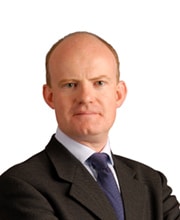
Hill: let us remember the option to strike
The criminal Bar is ready to strike in protest at the level of fees paid to both prosecution and defence advocates, a survey by the Criminal Bar Association (CBA) has revealed.
Some 89% of the 1,638 members who responded to the survey said they are prepared to take “direct lawful action”, such as a refusal to attend court; 88% of defence advocates and 77% of prosecution advocates are prepared to refuse to accept new instructions.
In a rallying call at the CBA’s annual dinner tonight, at which he will lay out the findings, chairman Max Hill QC will say: “So let us fight, and let us remember the option to strike. Use the momentum of the past year and of the survey. Demand better treatment. No more cuts, I say, either for the defence or the prosecution. Do not allow them to say that we must take our share of future cuts demanded by the Comprehensive Spending Review.
“The criminal Bar suffered cuts by stagnation in our fees for 15 years before the spending review. Did public sector wages stand still from the mid-90s? Of course not. But our fees did. And when that argument meets with a hostile reaction, as it will, be ready to strike.
“Those of us who completed the survey owe it to the silent workforce to encourage them to come forward too. If we can change the public perception of what we do, we can persuade the whole of the criminal Bar that our careers are worth the fight”.
The survey also revealed that most criminal barristers have suffered delayed payment, while 92% disagree with the introduction of ‘one case, one fee’ on the basis that the advocacy fee is not ring-fenced.
He will urge barristers to “take our argument to the public. Matters cannot be any worse than they are now”. He will quote one respondent to the survey, who said: “The media representation of barristers, particularly defence barristers, needs to be challenged to prevent the continued perpetuation of myths which make us unpopular with the public.”