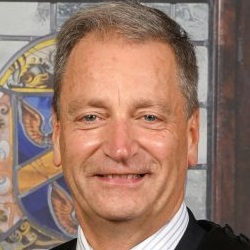
Atkinson: 180th president
The size and cost of the Law Society Group – primarily made up of the Law Society representative body and the Solicitors Regulation Authority (SRA) – continues to rise, its accounts have shown.
Group income was £174m in the year to 31 October 2023, £37m higher than the previous year mainly due to rising practising fees and a surge in applications to take the Solicitors Qualifying Exam.
Practising fees raised £115m in the year, of which £61m went to the SRA, £33m to the Law Society for non-regulatory purposes it is allowed by the Legal Services Act 2007 to levy every solicitor and firm for, and £21m in levies that have to be paid to the Legal Services Board, Legal Ombudsman, Solicitors Disciplinary Tribunal and Office for Professional Body Anti-Money Laundering.
The figure for practising fees went up to £128m in 2023/24 and £132m for 2024/25, which is being collected this month as part of practising certificate renewal. Of this £37m is going to the Law Society for representative work.
While listed companies are required to produce annual accounts within four months of the end of their financial year, and regular companies nine months, the Law Society only publishes its accounts in the run-up to the annual general meeting, which was held yesterday, meaning they are nearly a year old.
In 2022/23, the Law Society Group recorded a 9% increase in employment costs to £68m, with the number of staff rising by 6.5% to 1,115.
The SRA had 58 more staff, meaning it had 766 people, and the Law Society’s 12 new posts took it to 389.
SRA chief executive Paul Philip’s pay rose 4.5% to £392,000, while Law Society chief executive Ian Jeffery received £256,000 in his first year in the job, plus a £9,000 pension contribution.
Mr Jeffery started working at Chancery Lane in September 2022, and his salary cannot be compared with the previous year, as his predecessor, Paul Tennant, left mid-year and was followed by an interim CEO.
However, in the year before that, Mr Tennant was paid £327,000.
The Law Society brought in £12.7m in other income during the year, the largest contributor to which was nearly £4m from accreditation services, up 17%. Advertising and recruitment listing income at the Gazette fell by £110,000 to below £2m, with income from corporate sponsorships and partnerships the next biggest contributor at £1.5m, also down a little on the previous year.
The accounts were approved at the AGM, as was the proposal to pay members of the society’s ruling council an honorarium of £2,050 a year on top of expenses.
This passed with no adverse comment, although there were calls to extend it to members of the various Law Society committees too.
Finally, Richard Atkinson took over as the 180th president of the Law Society – which celebrates its bicentenary next year – with Mark Evans stepping up to vice-president and former Association of Personal Injury Lawyers president Brett Dixon joining the line-up as deputy vice-president.
Mr Atkinson is a managing partner at criminal defence firm Tuckers Solicitors, specialising in serious crime litigation.
He told the AGM: “As president, I will be using my experience as a criminal lawyer to speak out on behalf of those who are less able to do so. Access to justice is key to a functioning democracy and it is currently under threat, as legal aid continues to decline.
“Solicitors play an essential role in our economy and society. During my presidency, I look forward to promoting justice and to highlighting the contribution solicitors make to society and their communities as the Law Society celebrates its 200th year.”