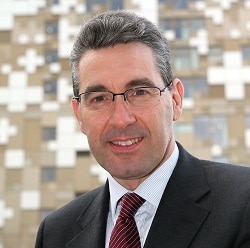
Philip: Significant improvements to cost control
Individual practising fee levels for 2019/20 should remain at the same level as the current year, with Compensation Fund contributions falling, the board of the Solicitors Regulation Authority (SRA) has decided.
The consultation on the cost of practising for the next year – which ran last month – has not changed the plans of the SRA and Law Society, even though both of their budgets are on the rise.
The figures now have to be approved by the Legal Services Board.
The individual practising certificate (PC) fee will stay at £278 for a third year, while individual contributions to the Compensation Fund will fall by a third to £60, with the firm contribution reduced from £1,680 to £1,150.
The contributions more than doubled last year, and the fund’s latest annual report showed that the £25.6m this raised turned what had been a deficit of £5.3m the year before into a surplus of £7.5m.
The SRA said one of the main reasons for the fall this year was a decline in the number and complexity of interventions – the number of firms closed down by the regulator fell to a 10-year low last year.
But it said the overall contribution remains higher than recent years because of “the continuing risk of a greater number of high-value claims”, for example because of solicitors’ involvement in dubious investments schemes.
The Law Society has put forward a budget of £134.3m to run the two organisations in 2019/20 – almost the same as the current year – and pay the levies imposed on the profession for the Legal Services Board, Legal Ombudsman, Solicitors Disciplinary Tribunal and Financial Conduct Authority (for anti-money laundering purposes).
With £30.6m coming from other sources – a falling figure, including £14m in the society’s commercial income, which continues to drop year on year – that leaves a total net funding requirement from practising fees of £103.7m.
The society proposes to use £1.2m of reserves, meaning £102.5m needs to be collected from PC fees, £2.8m more than last year.
However, with more solicitors on the roll, the society said it has been able to keep the PC fee flat.
The SRA will get the largest slice of the money raised (£54.1m), a rise of £1.5m which the regulator attributed in part to an increase in the amount of work needed to combat money laundering.
The Law Society will receive £31.5m (up £900,000) under the ‘permitted purposes’ provision of section 51 of the Legal Services Act 2007. These are non-regulatory activities for which the Law Society can nonetheless charge the profession.
SRA chief executive Paul Philip said: “We have made significant improvements over the years to control and reduce our operating costs. So while our funding requirement has increased slightly this year because of additional work such as tackling money laundering, we have been able to minimise the increase.”