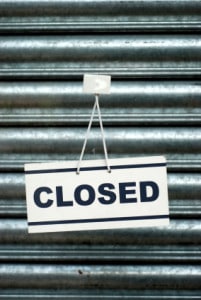
End of the road for Raleys
Raleys, one of the law firms most strongly criticised for misconduct during the miners’ compensation scandal, has entered administration.
A notice on the firm’s website states that national corporate recovery specialist Begbies Traynor was appointed administrator last Friday, with Leeds law firm Ison Harrison handling all existing client matters.
Raleys, based in Barnsley, Yorkshire, had two partners, Carol Gill and John Welch, 14 ‘legal specialists’ and 22 support staff.
Ms Gill was one of six Raleys partners suspended or fined by the Solicitors Disciplinary Tribunal (SDT) in 2009 for misconduct in the way the firm handled claims from ex-miners suffering from vibration white finger under the government compensation scheme. Mr Welch did not become a partner until that year and was not involved.
The SDT suspended senior partner Ian Firth for four years, and his colleagues David Barber for two years and Jonathan Markham for six months.
Ms Gill, Jim Gladman and Katherine Richards, who had already retired, were fined £10,000 each.
The partners were ordered to pay the costs of the hearing, starting with an interim payment of £300,000 within 28 days. The regulator estimated its costs at over £800,000.
The tribunal said that Mr Firth had taken £9.9m as his share of profits from the firm between 2003 and 2005, and Mr Barber, the only other equity partner, £7.2m.
Chairman David Leverton said statements made by the partners were “argumentative and self-justifying and give an impression that the respondents cannot understand why anyone should think that they have done wrong.”
More recently, the Court of Appeal in May 2014 upheld a ruling that Raleys was negligent in its handling of a claim under the government compensation scheme.
It backed the decision the previous July by HHJ Gosnell in Leeds County Court that Ronald Barnaby had abandoned part of his otherwise successful claim as a result of negligent advice.