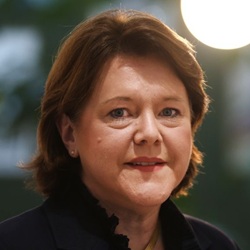
Miller: Significant milestone
Barristers under a duty to report bullying, harassment or sexual harassment by others to the Bar Standards Board (BSB) can now satisfy it by reporting to the Bar Council’s new Commissioner for Conduct.
A protocol [1] between the two organisations and the commissioner, Dame Maria Miller, makes clear that she must refer most cases which amount to “serious misconduct” to the regulator.
The protocol, published yesterday, said victims and their “confidants” were not obliged to report serious misconduct to the BSB, but the commissioner could offer them support and would only need to report the matter to the regulator where there was “a real risk of serious harm”.
Dame Maria, a former Conservative cabinet minister, was named [2] the Bar’s first ever Commissioner for Conduct in January this year. The post was a recommendation of the Harman review into bullying and harassment at the Bar.
She is an officer of the Bar, alongside the chair, vice-chair and treasurer.
“Serious misconduct” is defined by the protocol as bullying, harassment or sexual harassment that “significantly breaches the standards expected of a barrister that may warrant regulatory action and which (subject to exceptions) must be reported by barristers to the BSB”.
Barristers and other people “working with the Bar” can either report bullying, harassment or sexual harassment perpetrated by barristers or people working with the Bar to the commissioner or to the BSB.
When deciding to refer a case to the BSB, the commissioner may take into account the “intent and motivation” of the alleged perpetrator, the harm to the complainant and others and “whether the misconduct was sexual, predatory, violent, or discriminatory in nature”.
Other factors are the vulnerability of the complainant or any other parties, the role, experience and seniority of the accused individual, and whether there was a potential abuse of power.
Where the commissioner “receives multiple allegations about the same individual which individually may not alone meet the threshold of ‘serious misconduct’ but, taken together may constitute a cause for concern, the commissioner may need to consider passing these onto the BSB”.
If she receives information that discloses “a real risk of serious harm”, she “must make the necessary disclosures” – without consent if necessary – to the BSB and third parties such as inns, chambers, specialist bar associations or circuit leaders in accordance with the commissioner’s safeguarding policy.
Where, in Dame Maria’s view, the allegations do not meet the definition of ‘serious misconduct’, she may take “any action” she deems appropriate.
These include supporting “the implementation of standards of behaviour, good practice and training relating to bullying, harassment and sexual harassment across the Bar” and ensuring those who experience or witness it “know how, and have the confidence, to complain”.
She should also support chambers, the inns of court and other organisations around the Bar to have in place “appropriate policies and procedures” and advise them on their investigations into allegations of bullying, harassment or sexual harassment.
The protocol stresses that it is not intended to undermine the separation and independence of the BSB from representative functions carried out by the Bar Council.
In a joint statement, the two organisations said the commissioner could “offer support to victims and complainants without triggering an obligation to report to the BSB”.
In the protocol, they said: “Whilst the profession is best placed to manage the majority of instances of such behaviour, the regulator shall continue to set minimum standards of behaviour and obligations on individuals in relation to professional conduct and individual practice management, and take disciplinary action in cases that are sufficiently serious.”
Dame Maria commented: “This is a significant milestone in delivering the recommendations of Baroness Harman’s review and establishes a clear agreement of roles and responsibilities with the BSB.
“It has been a priority for me since taking up my role six months ago, as it means we can better support those who experience bullying, harassment and sexual harassment at the Bar. Importantly, it will help address the barriers to reporting identified in the Harman review.”
Separately, there are four new members of the BSB. Professor Jean-Noël Ezingeard, vice‑chancellor and president of the University of Roehampton, and Sara Lawson KC – until recently general counsel to the Serious Fraud Office – joined last month.
Abiodun Michael Olatokun, a barrister at 36 Public and Human Rights, specialising in education, employment and public law, joins next month while in October criminal law specialist Mark Fenhalls KC will become the first former Bar Council chair to join the BSB.