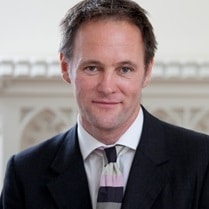
Henley: Disappointed
The outgoing chair of the Criminal Bar Association (CBA) has criticised senior judges for failing to follow their Family Division colleagues in adopting email and sitting hours protocols to aid wellbeing.
Chris Henley QC said it was disappointing that “the very modest requests” for sensible arrangements – made both by the Bar Council and CBA – have so far been ignored.
“I have reluctantly concluded that we will have to wait for fresh blood at the top before we get the leadership on wellbeing issues we need and deserve,” he said in his final weekly newsletter to members.
Earlier this month, Mr Henley called for the criminal courts to follow the lead of the president of the Family Division, Sir Andrew McFarlane, who has made wellbeing a priority since taking over the role and has encouraged discussions between the legal profession and each designated family judge to agree parameters for acceptable working practices, such as the earliest and latest times advocates should be expected to deal with emails.
He hopes then to use these regional agreements to create a national template to identify “the bottom line expectations that should apply to all court centres”.
Mr Henley said that “until such leadership is brought to bear in the criminal courts, an environment, needlessly hostile to diversity and family life, will persist”.
He put the issue in the wider context of the diversity of the judiciary, and the legal profession generally, and “the barriers which are inhibiting so many women and BAME lawyers from staying in the profession and/or realising their full potential”.
Until such time as change occurs, he said, barristers should be “honest about what you can and can’t do”.
He continued: “Don’t put those who need you second outside reasonable working hours because of a sudden request; most judges do understand, but don’t hesitate to come to the CBA if you are struggling.”