


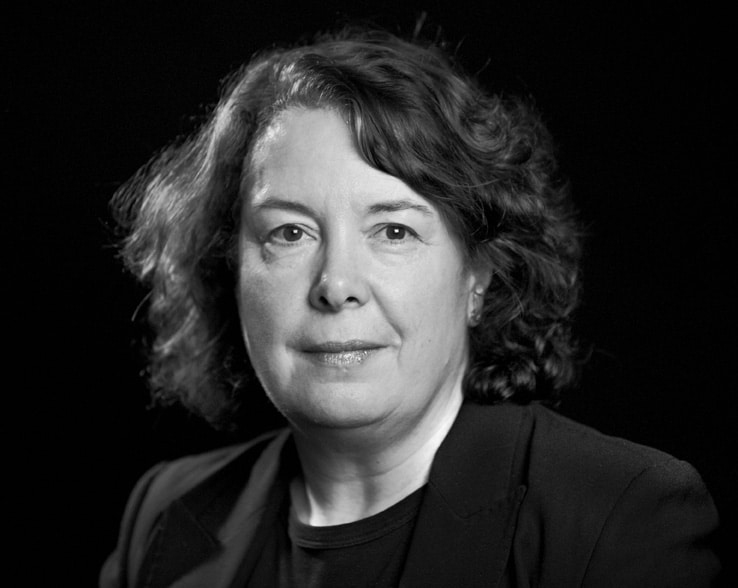
McGowan: many barristers will still be hesitant to speak publicly about live cases
Barristers can now speak to the press about their cases, after the Bar’s Code of Conduct was changed.
The end to the rule prohibiting barristers from expressing personal opinion in any public statement, to the press or otherwise, in relation to any work they have been undertaking finally brings them in line with solicitor-advocates, who have been able to give their own views since 2007.
Instead the Bar Standards Board (BSB) – which said the change had caused no problems for solicitor-advocates – is publishing guidance to assist barristers in determining in which, if any, circumstances it would be appropriate to express any personal opinion, bearing in mind their obligations around acting in the client’s best interests, maintaining independence, upholding trust and confidence in the profession, and preserving client confidentiality.
Approving the change last week, the Legal Services Board (LSB) said: “The BSB acknowledged in its application that there is a risk that barristers could make comments in the media that will undermine confidence in the conduct and outcome of an individual case.
“It believes that this will be mitigated by the new guidance and the general Code of Conduct obligations of not engaging in conduct that is dishonest or otherwise discreditable, prejudicial to the administration of justice or likely to diminish public confidence will still apply and be relevant when deciding whether to make comments to the media.
“The LSB agrees with the BSB‘s assertion that this rules change should allow barristers to exercise their professional judgement in a more outcomes-focused way and that it is consistent with the regulatory objectives for barristers to be able to comment in public where they believe that this is justified, appropriate and in their client’s best interests.”
Bar Council chair Maura McGowan QC said: “It is right that barristers who wish to speak to the media, in appropriate circumstances, should be able to do so. However, despite this change, it is likely, perfectly appropriately, that many barristers will be hesitant to speak publicly about live cases in which they are instructed. We hope that the media will understand and respect those who do take that position.”











