


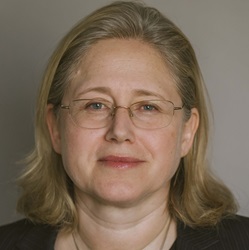
Phillimore: Not entirely expected outcome
The Bar Standards Board (BSB) has rejected a complaint made against a barrister by the Good Law Project (GLP) on behalf of a trans woman over multiple social media posts.
The regulator said Sarah Phillimore (SP) “has the right to manifest her gender critical beliefs”.
It said it did not believe that her references to the complainant’s gender, by use of pronouns or saying she was a man, was “either seriously offensive or otherwise a potential breach of CD5 [core duty 5 – upholding public trust] by being harassing, bullying, victimising or discriminating”.
It went on: “Whilst we note the number of times that this occurred over this period, this was a particularly turbulent time for trans people and for people holding gender critical beliefs, and both [the complainant] and SP frequently use the public arena to express their views”.
GLP said it made the complaint last August over more than 50 posts across multiple social media platforms that referred to the complainant “frequently in derogatory terms”.
It accused Ms Phillimore of misgendering, deadnaming and sharing photos of her, and using “graphic language about her genitals”.
The BSB said that, while deadnaming “may be unpleasant” for the complainant, here it did not cross the threshold for investigation; a simple online search would show the complainant’s previous identity and so Ms Phillimore’s actions did not have a “significant impact” on the public’s knowledge.
The BSB concluded that the barrister did not single out the complainant for “cruel treatment”, while “given the heightened background tension between the competing rights of the two individuals involved, we do not consider that SP’s comments, even taken cumulatively, amount to harassment such as to engage CD5.
“Even if we were wrong on this, we take the view that the comments would be protected by SP’s article 10 rights, such as that it would not be proportionate for the BSB to investigate”.
GLP said: “We made our complaint to the BSB after taking advice from counsel, including King’s Counsel, and we stand by our view that Phillimore’s awful conduct is harassment.
“We will be asking the BSB to refer its decision not to investigate Phillimore to an independent reviewer – the next step in taking the complaint forward – and, should the BSB continue to refuse to investigate, we expect to bring judicial review proceedings against it.”
Writing on her blog, Ms Phillimore – a family law barrister at St John’s Chambers in Bristol – described the decision as “welcome and to be honest not entirely expected”.
She explained that “despite the contemptible risibility of this complaint, I was not entirely confident that the Bar Standards Board would reject it”.
This was because of what she described as “an immovable belief in our elite professional classes that any attempt to challenge, criticise or mock the nonsense that is gender identity ideology is a moral outrage”.
But the BSB’s decision represented “a very clear rejection” of this position.
Had there been a genuine case of harassment, Ms Phillimore went on, the primary remedy was a civil injunction and/or a criminal prosecution.
“The weaponization of the regulatory process was to cause me maximum embarrassment and reputational harm and establish some watered down notion of ‘harassment’ with no risk of legal costs to the Good Law Project.”
Ms Phillimore is in the process of raising money to sue GLP founder Jolyon Maugham KC for defamation over a social media post last August accusing her of leading “a campaign of harassment of a trans woman so wicked that she sought to take her own life”.
This related to the same complainant. Ms Phillimore said it was not true and that Mr Maugham “has no reasonable grounds to believe it is true”.
She has raised nearly £45,000 through CrowdJustice to bring the action, with her original £50,000 target now stretched to £100,000. GLP said Mr Maugham would fight any claim.
We reported in 2024 that the BSB decided not to investigate Ms Phillimore over accusations that she was transphobic after she misgendered two trans lawyers.
 Helen
Helen  Anon
Anon  Dylan
Dylan 










So, the BSB can still get things right. That’s very much welcomed.