Brimelow: Working with Law Society on fair briefing practices
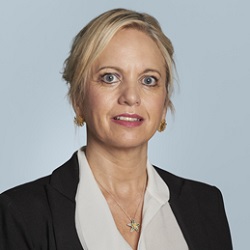
A campaign to improve billing practices at the Bar and work with solicitors on fair briefing are among the priorities outlined last night by the new chair of the Bar Council.
Kirsty Brimelow KC laid out 12 priorities in all in her speech at Gray’s Inn and warned that “I will stamp my own foot on bullying or harassment, whilst wearing heels”.
A barrister at Doughty Street Chambers, she is a former chair of the Criminal Bar Association and of the Bar Human Rights Committee, which reflect her two main areas of practice.
While listing “the crisis in the criminal courts” and legal aid as her first two priorities, Ms Brimelow also committed to addressing the earnings gaps at the self-employed Bar.
Bar Council figures last November showed that the already significant earnings gap between male and female barristers had widened over the last four years.
“Under my leadership, the Bar Council will continue to encourage chambers to audit earnings to establish patterns by protected characteristics using our earnings toolkit as well as promote meaningful conversations on earnings in practice review,” she said.
“We already have guidance in the form of the practice review guide developed in partnership with the Institute of Barristers Clerks. We will step up offers of training, guidance and bespoke advice to chambers.
“Women and those from minority groups at the Bar also need support to recognise their worth when fee negotiation takes place at point of briefing.”
Ms Brimelow continued: “In 2026, we will work with solicitors to encourage fair briefing practices. I already have had one meeting with the president of the Law Society, Mark Evans, and the Bar Council and Law Society will collaborate.
“I will lead the initiation of a campaign to improve billing practices. Junior barristers and women often don’t bill to reflect the work that they have done, feeling pressured or lacking confidence to bill the full hours that they have worked.”
She told the Bar Standards Board (BSB) that it “needs to do less and do it well, returning to its core purpose of risk-based regulation of authorised persons, and stopping non-core work. It is not a sustainable model of regulation for there to be continued increased cost to barristers alongside continued poor end-to-end enforcement by the BSB”.
Though the BSB “continues to have a torrid time”, Ms Brimelow was encouraged by the aim of the regulator’s new chair, Professor Chris Bones, to reduces the costs of handling reports made to the BSB “so that the large increases in practising fees that we have suffered for the last four years will not continue”.
She added that a way ahead on the issue of deferring call to the Bar until after obtaining pupillage “should emerge in the spring”.
On bullying and harassment, Ms Brimelow said the new post of ‘commissioner for conduct’, as recommended by the Harman report, had been filled and would be announced shortly. It is a woman.
“This is a wonderful profession and I am determined our junior colleagues and aspiring barristers are not deterred from the pathway to and in the Bar by the unacceptable behaviour of a minority at the Bar and on the Bench.
“I welcome the support that the Bar Council has received from the Lady Chief Justice and from the Senior Presiders in tackling bullying or poor behaviour from the bench. I will stamp my own foot on bullying or harassment, whilst wearing heels.”
Her final priority was wellbeing and Ms Brimelow said the Bar Council would this year pilot trauma informed training for both barristers and chambers’ employees.