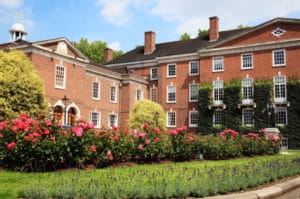
Gray’s Inn: extra fees will go solely to pension deficit
Barristers are set to pay 10% extra for their practising certificates for the next decade, first to plug a multi-million pound hole in the Bar Council’s pension fund and then to buy it out and remove all future liabilities.
The rise will be 12% for the first five years, collecting an additional £1.3m a year. The operational budget will remain static and the money will be applied entirely to fund the deficit in the defined benefit pension scheme, which operated from 1974 until it was closed in 2013.
A consultation published yesterday by the Bar Council said that a levy imposed on barristers between 2010 and 2013 to make up the shortfall that arose then raised £6.5m but has “proved to be inadequate in the current economic circumstances”.
The deficit is now between £3.7m and £5.4m due to significant increases in the pension liabilities, driven by low bond yields indirectly arising from low interest rates. The range of possible deficit values reflects uncertainties in the level and timing of future bond yields.
“We understand that many advisors expect these conditions to persist for the medium term and so it is likely that, without substantial and continuing increases in contributions, the DB scheme will remain in deficit for 10-15 years,” the paper said.
For the last two years, the Bar Council has covered the losses from its reserves but said it could not longer to this without “very deep cuts to operating expenditure”.
The estimated cost of a buy-out – transferring the liability to an insurer for a one-off payment – was put at £16m. The Bar Council said this was not affordable. In 2012, the Law Society bought out its pension scheme at a cost of £82m.
The consultation said: “In summary, we need to raise approximately £5.4m over a period of up to five years to increase contributions to the scheme to meet the existing deficit by September 2021.
“This is more than the minimum level of funding required and will ensure we have a robust financial plan to deal with the scheme’s needs for the long term. It would also be prudent to continue to build a fund beyond that time to buy out future liabilities as they become affordable and deal with any other events that might impact the level of liabilities.”
This will mean increasing practising certificate fee (PCF) income by £1.3m a year until 2021, and then reduce it to £1.1m to build a buy-out fund.
“That might be in approximately 10 years or so, and much will depend on market movements. We would look to remove that £1.1m from the PCF altogether once we have been able to discharge the pension liability completely.”
The PCF is currently priced in six tiers depending on the barrister’s income. The 12% rise means an extra £13, to £123, for the PCF of those earning up to £30,000 a year, and another £198, to £1,850 for the top earners bringing in more than £240,000.
The Bar Council said there was little risk of overfunding the pension scheme, but if it happened, the money could be returned to barristers through a cut in the PCF.
In 2017, the Bar Council plans to raise a total of £13.7m – £10.3m from the PCF and £3.4m from other sources. This will be spent by the Bar Standards Board (£8.25m) and the Bar Council in its representative capacity (£5.6m), leading to a small operating loss of £182,000.
If the Bar Council presses ahead with its plan after the consultation, it will then be sent to the Legal Services Board for approval.