


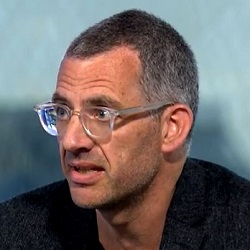
Crosland: Publicly renounced status
Barristers cannot escape disciplinary proceedings by renouncing their membership of the profession, a Bar disciplinary tribunal has ruled.
It made the comments in disbarring Tim Crosland, the non-practising barrister found in contempt of court by the Supreme Court in 2020 after he released its embargoed ruling on the planned third runway for Heathrow airport.
The decision to disbar him was announced last month but the full reasoning has now been released. The tribunal had first to consider Mr Crosland’s argument that he had “unequivocally renounced” his status as a barrister and was therefore no longer subject to the Bar’s regulatory regime.
Called in 1994, he said he wrote last autumn to the BSB and his inn, Inner Temple, to do so. The environmental charity of which he is director, Plan B, then issued a public statement about it in December.
The Bar Standards Board (BSB) contended that such a change would need to have occurred before the alleged misconduct, which was not the case here.
Further, the BSB said it was not in a position to remove a name from the register of barristers; only his inn of court could do so. “It was understood that an inn would not act to end his status while there were outstanding disciplinary proceedings.”
The tribunal agreed with the regulator. “Leaving aside the merits or otherwise of the charges against Mr Crosland, it would be contrary to the promotion and maintenance of professional standards designed to protect the public if any professional who was subject to regulation could frustrate proceedings against him or her by unilaterally asserting that he or she no longer belonged to the profession concerned, particularly if the proceedings related to events at a time when that person clearly did belong to the profession concerned.”
Mr Crosland had also maintained that his actions were not taken as a barrister but in a private capacity; he argued that it was not appropriate for the BSB to investigate or censure him for an act of conscience taken in his personal capacity.
The tribunal rejected this as “unarguable” here – Mr Crosland’s actions had been “closely connected with court proceedings in which he was then involved”.
It concluded that “there should be, and was, jurisdiction to proceed” even if Mr Crosland had claimed to have renounced his status as a barrister.











