Vineall: Law on NDAs should be reviewed
The Bar Council is to meet non-disclosure agreement (NDA) pressure group Can’t Buy My Silence in the wake of its criticism of the barrister body’s stance.
We ran a blog yesterday from founders Zelda Perkins – who was the first woman to break a Harvey Weinstein NDA – and Dr Julie Macfarlane that contested what the Bar Council said in its response to a Legal Services Board consultation on NDAs.
They described how the Bar Council “scoffs at the idea (describing it as ‘very muddled thinking’) that some NDAs might be illegal or unenforceable” and countered its claim that there was little substantive evidence of NDA misuse.
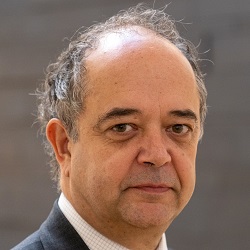
In response, Bar Council chair Nick Vineall KC told Legal Futures: “The Bar Council agrees with Dr Julie Macfarlane and Zelda Perkins that the law on NDAs should be reviewed and that there is an important debate to be had about the circumstances in which NDAs may be lawfully used.
“The authors draw on the Bar Council consultation response in which we criticise the LSB’s assertion that lawyers should determine whether NDAs might be ‘illegitimate or unethical’, not whether they might be illegal, as the article incorrectly asserts.
“This is crux of the problem. The debate on the policy questions around the circumstances in which NDAs may be used is one for Parliament and not for legal regulators, otherwise it risks requiring lawyers to ignore their duties to advise their clients as to their rights within the existing laws.
“As the authors say, we do have areas of agreement and we hope to meet with them to discuss these important issues further.”
In a statement, Can’t Buy My Silence said: “We welcome the opportunity to speak to the Bar Council about the widespread use of NDAs in settlement agreements.
“We recognise it is committed to meeting client needs and hope to show them compelling evidence that, when NDAs that are used to cover up alleged misconduct or harmful practices, treating such instances as ‘trade secrets’ is not appropriate.
“We would be delighted to work with the Bar Council towards a shared goal of legislative change to remove these decisions from individual practitioners.”