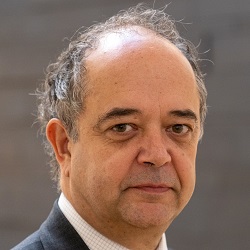
Vineall: Disappointed
The public argument over the cab-rank rule looks set to rumble on after the Bar Council chair ratcheted up his criticism of barristers refusing to act against eco-causes.
As we reported on Friday, more than 120 lawyers, organised by a group called Lawyers Are Responsible, have published a ‘Declaration of Conscience’, in which they say they will refuse to act for new fossil fuel projects or to prosecute members of campaign groups opposing new fossil fuel projects.
The group said the barrister signatories now faced the prospect of disciplinary action for breach of professional regulations, such as the cab-rank rule, and that some of them have self-reported to the Bar Standards Board.
Bar Council chair Nick Vineall KC issued a strong defence of the rule in a speech last week and, in the wake of the media coverage of the declaration, followed it up with a statement arguing that it ensured “people to whom a particular lobby object can still get the legal representation of their choice”.
He went on: “It also guarantees that people who are accused of offences they did not commit can get legal representation by an advocate of their choice, no matter how appalling the offence with which they are charged.
“The cab-rank rule promotes access to justice and promotes the rule of law. It is disappointing that some lawyers apparently wish to remove these rights from people of whom they disapprove.”
In an apparent bid to turn the tables on the barristers who signed the declaration, he added: “I would be profoundly unhappy if a climate change activist accused of a public order offence were ever to be precluded from obtaining the services of the barrister of their choice because their chosen barrister happened to disapprove of the particular way in which they had been protesting.”
Lawyers Are Responsible, the group behind the declaration, issued its own statement, noting that the cab-rank rule gave rise to a potential conflict “between what individual barristers’ consciences tell them is the right course of action and the rules of their profession”.
The “classic example” of the rule in action was of a criminal barrister representing a person accused of murder where there was strong evidence of guilt.
“In that situation, there is no conflict between the cab-rank rule and the interests of justice. The barrister is agreeing to perform his or her role within a system of justice that produces, on the whole, just outcomes.
“By representing the accused, the barrister is merely helping to ensure that there is a fair trial and is serving the greater good.
“The signatories to the declaration are convinced that at the present time offering their services in support of new fossil fuel projects or action against peaceful climate protesters would not serve the greater good.”
The group argued that the law currently caused “climate injustice and set society on a course with consequences so dire that they ultimately threaten the rule of law itself”.
The signatories believed that, by taking on these types of case, “they would be personally facilitating these consequences”.
The group urged “discussion and debate” on these issues.
See also today’s blog: Lights out at the rank?.