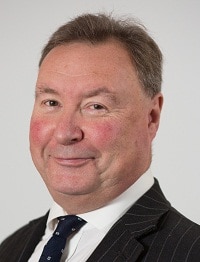
MacDonald: truly ironic situation
The chairman of the Bar Council has urged the increasing number of barristers who decline to pay a voluntary £100 levy to fund its representative work to think again.
Alistair MacDonald contrasted this reluctance with the 7,722 barristers who each made a £30 donation in 2014/15 to help fund the Bar Pro Bono Unit, which he described as a “truly magnificent response”.
This was a 77% increase on 2013/14, which the first time the Bar Council provided an opportunity for barristers to make the donation at the same time as they were paying their practising certificate fee.
In his monthly update, he said: “It is a truly ironic situation that the Bar is prepared to help those with no voice in society at precisely the same time as it is failing to help make its own voice heard in the corridors of power.”
Mr MacDonald said the declining number of barristers who paid the Bar representation fee (BRF) in 2014/15 represented “a continuing trend”.
He explained: “This will lead, unless there is an increase in the proportion of the Bar prepared to pay the BRF, to really significant inroads into the representational activities of the Bar Council…
“This income pays for the vast majority of our representational work. It pays for our submissions to government, our media work, lobbying and international development initiatives, to name just a few of the activities covered… These are the core functions and those activities that most barristers think the Bar Council is all about.
“I urge those of you who have declined to pay the BRF to think again. It is a truly ironic situation that the Bar is prepared to help those with no voice in society at precisely the same time as it is failing to help make its own voice heard in the corridors of power.
“With a new government in place, that task is crucial. It is only by making representations to government that we can even begin to hope to bring home the devastating effects of LASPO or seek to persuade those in Westminster that proper remuneration for the Bar is vital to the continuing provision of advice and representation of the highest quality.
“And, by a final irony, in making such representations, we are doing so on behalf the very same people who are now so much in need of pro bono advice.”